
Innovation in Action: How We Are Cutting Our Carbon Footprint, One Well at a Time
In the worldwide push toward sustainability, the oil and gas industry faces increasing pressure to lessen its environmental impact. This change is especially crucial for water well drilling and upkeep, which have traditionally had significant carbon footprints. Today, new technologies and strategic methods are reshaping these operations, making them more eco-friendly. This article looks at the steps being taken to reduce the carbon footprint in water well work, showing how forward-thinking solutions can make a real difference, one well at a time.
The oil and gas industry’s environmental impact, especially its role in greenhouse gas emissions, has long been under scrutiny. Issues ranging from methane emissions to excessive water use need urgent and effective solutions. Fortunately, technological advances and a growing commitment to environmental responsibility offer ways to lessen these impacts while boosting operational efficiency. The sections below explore the initiatives changing water well operations and outline a promising path toward a more sustainable future.
Revamping Traditional Well Operations with Modern Innovations
Traditional water well operations have often depended on practices that are energy-intensive and environmentally disruptive. However, modernization driven by technological progress is opening the door to greener methods. A key focus is the use of digital tools and sensors for real-time monitoring of well conditions, which cuts the need for frequent, carbon-heavy on-site inspections.
These digital solutions help operators enhance well performance, reduce downtime, and lower their environmental impact.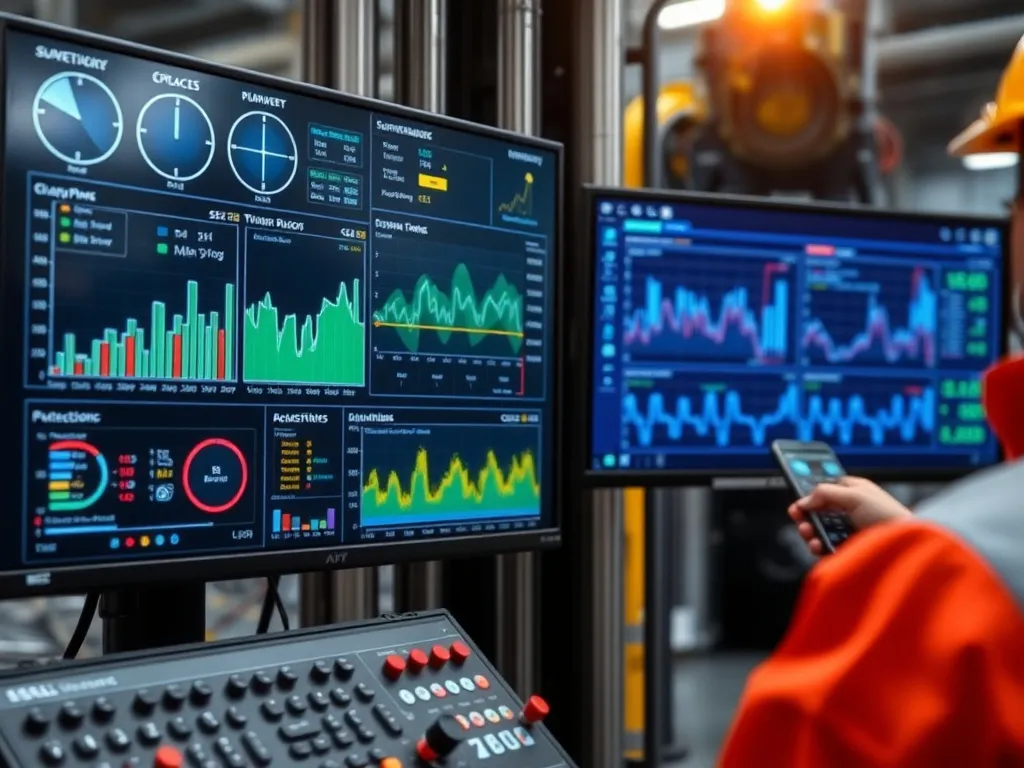 For example, automated control systems powered by solar energy manage well operations efficiently by minimizing energy use and greenhouse gas emissions. This type of digital transformation aligns economic and ecological objectives, creating a win-win for companies and the environment.
The Role of Solar Energy in Cutting Emissions
Integrating solar power into well operations is a key strategy for reducing carbon emissions.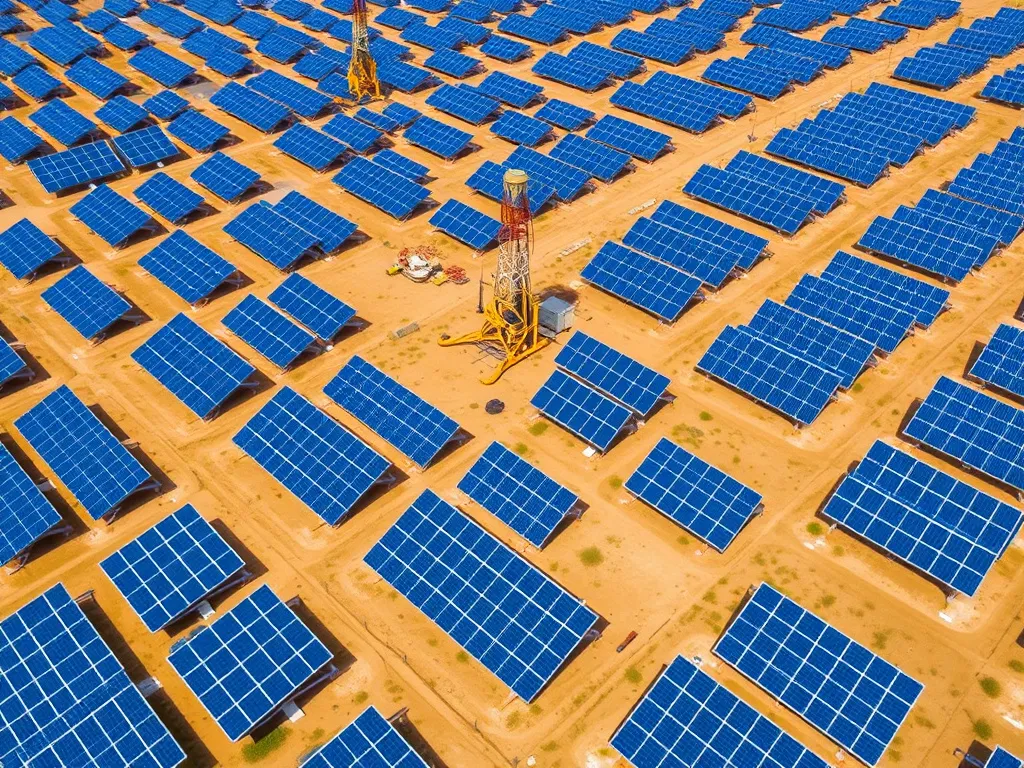 Solar-powered systems not only decrease reliance on fossil fuels but also provide reliable energy in remote areas where grid connectivity is limited. They now power everything from monitoring equipment to automated drilling rigs, significantly lowering operational emissions and supporting sustainable practices.
“Solar power is transforming the sustainability landscape of well operations by providing a clean and cost-effective energy solution,” says a leading energy analyst.
Advanced Methane Management: Plugging the Leaks
Methane emissions from wells represent a major environmental concern due to methane’s potency as a greenhouse gas. Innovations in methane management are therefore essential.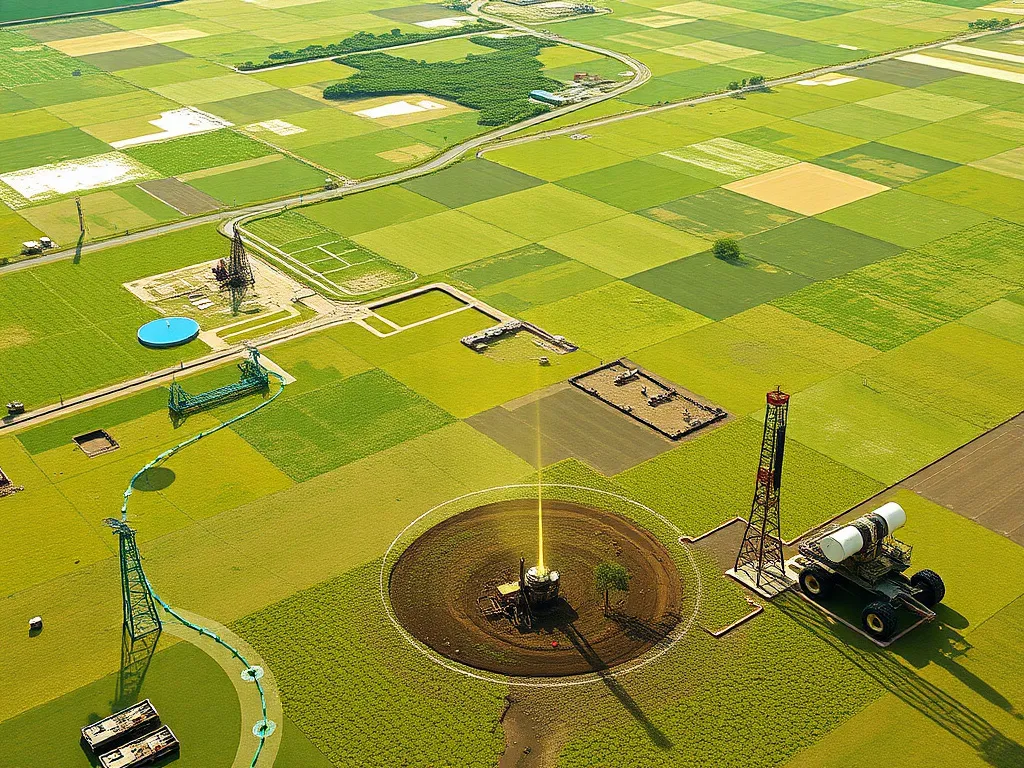 Modern detection technologies, such as satellite imagery and advanced sensor networks, enable precise identification of methane leaks and support timely interventions.
For instance, initiatives like the Well Done Foundation’s approach of using carbon credits to fund the plugging of orphaned wells show how market-based solutions can drive significant environmental gains. By monetizing carbon reduction through verified carbon credits, these efforts not only curb emissions but also create economic opportunities through job creation and community engagement conservationmag.org.
Case Study: Methane Detection and Remediation
A successful case study involves the use of infrared cameras for detecting methane leaks in real time, enabling immediate remedial action. This proactive approach minimizes methane emissions and maintains air quality standards, showing how technological integration can lead to significant environmental benefits ogdc.org.
Electrification and Energy Efficiency
Electrification of well equipment is another crucial innovation driving sustainability in the sector. By replacing traditional gas-powered systems with electric alternatives, companies significantly cut emissions. Technologies such as electric actuators and electrified hydraulic fracturing fleets contribute to considerable reductions in carbon footprints.
These advancements not only reduce operational emissions but also enhance reliability and decrease maintenance costs. For example, electric actuators powered by solar panels provide a zero-emission alternative, ideal for remote installations emerson.com.
Innovation in Hydraulic Fracturing
Switching from diesel to electrically powered fracturing fleets exemplifies the industry’s effort to cut CO₂ emissions.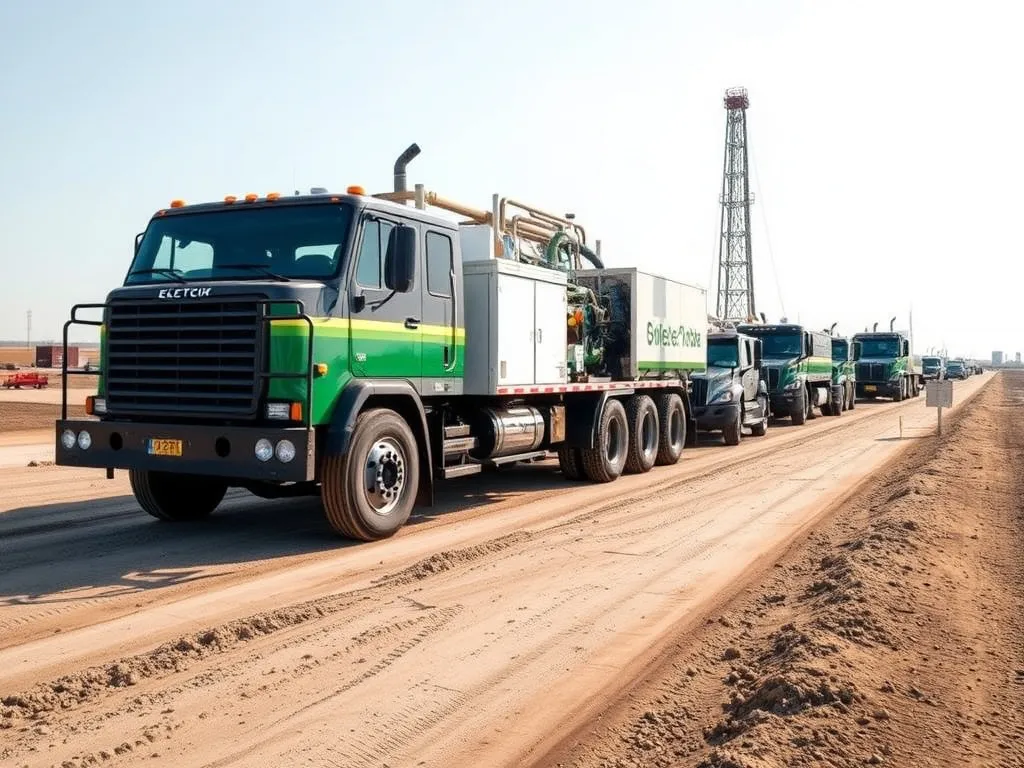 These fleets, powered by cleaner energy sources, not only help decarbonize well operations but also set new standards for operational efficiency and sustainability.
Engaging Stakeholders for a Sustainable Future
Collaboration among industry stakeholders is key to advancing and implementing sustainable well operations. Coordinated efforts involving regulatory bodies, industry organizations, and local communities are crucial to driving the widespread adoption of eco-friendly practices. Government incentives and regulatory frameworks that support clean technology adoption further bolster these efforts.
Projects like the Appalachian Methane Initiative, which deploys new detection and remediation technologies, highlight the importance of stakeholder collaboration in achieving net-zero goals. Such initiatives showcase the potential of community-focused projects to drive meaningful environmental change ogdc.org.
Conclusion: From Responsibility to Results
The journey toward reducing the carbon footprint of well operations is both challenging and rewarding. As the strategies and technologies above show, significant environmental benefits are achievable through innovation and collaboration. Bringing together digital tools, renewable energy sources, and advanced management techniques is paving the way for a sustainable future in water well operations.
By leveraging market-based solutions such as carbon credits and stakeholder collaboration, the industry can align economic performance with environmental stewardship. It is not just about cutting emissions—it is about redefining the future of well operations to create lasting positive impacts on the planet.
Through continued innovation and shared responsibility, the oil and gas sector can significantly reduce its environmental impact, showcasing a commitment to sustainability that resonates with communities, governments, and global markets.