
AI in Water Well Drilling: The Future is Here
As technology progresses, the use of Artificial Intelligence (AI) in various fields has become a significant trend. In water well drilling, AI is enhancing efficiency and transforming traditional methods. With over 45 years of experience, Hajjan Drilling Company is at the forefront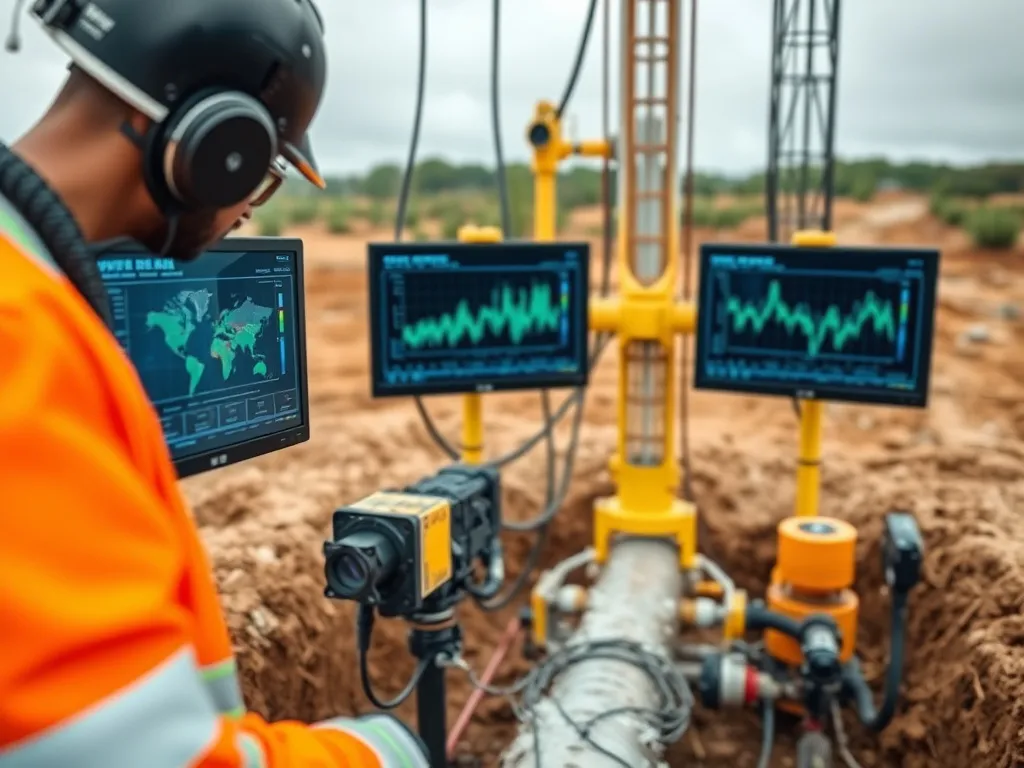 of using advanced AI to improve water well drilling and maintenance throughout Saudi Arabia. This progress arrives at a critical time: communities, farms, and industries across the Kingdom depend heavily on groundwater, and the cost of missing targets or delaying projects can be high in remote and arid environments. AI helps bridge that gap by turning raw field data into fast, reliable guidance for crews, improving safety on site, and increasing the likelihood of first-time-right drilling. By blending long-standing field expertise with modern analytics, Hajjan is helping clients secure dependable water supplies while controlling costs and timelines.
Understanding AI Uses in Water Well Drilling
Artificial Intelligence is revolutionizing industries by managing complex data analysis and decision-making that used to be manual. In water well drilling, AI is applied for predictive maintenance, automated drilling operations, and real-time data analysis. These technologies help companies maximize resources, increase accuracy, and improve safety, leading to significant cost savings and operational benefits.
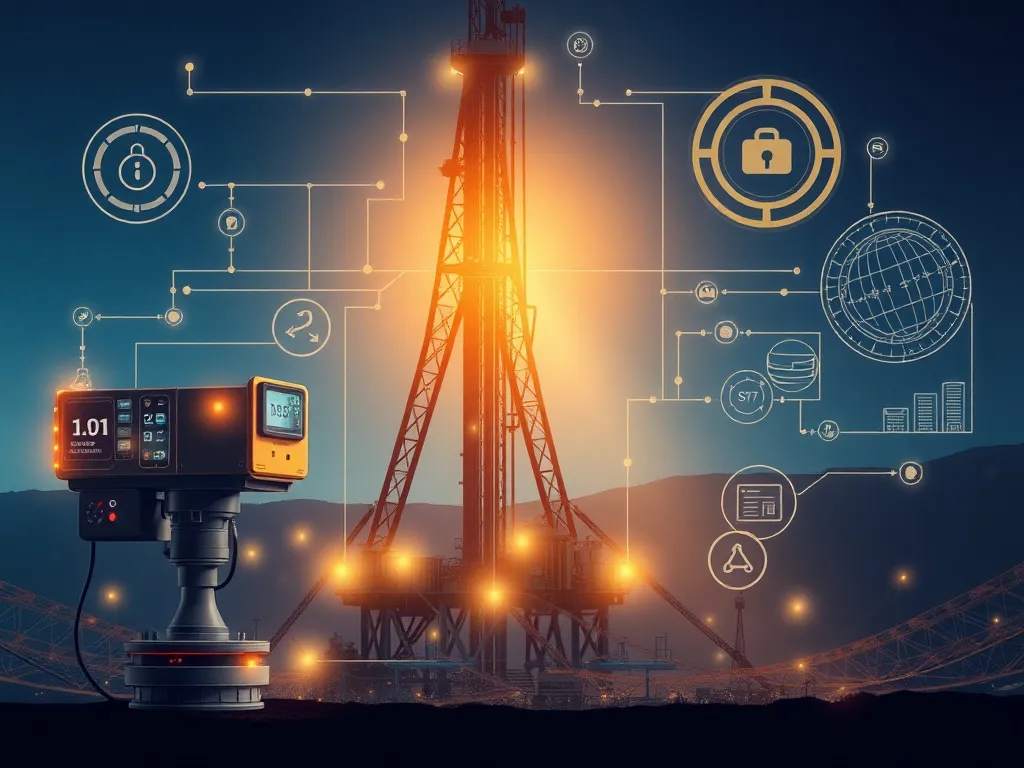 In practical terms, AI models ingest sensor streams—such as vibration, temperature, current draw, torque, and pressure—alongside geological logs, past drilling records, and satellite or geophysical surveys. Using machine learning techniques like anomaly detection, pattern recognition, and supervised learning, the system identifies trends that might be invisible to the human eye under daily time pressures. The result is faster planning, more precise bit selection and mud programs, and fewer surprises when formations change. Just as importantly, AI-supported dashboards present insights in clear, actionable formats that help supervisors and technicians make confident decisions, even in fast-changing field conditions.
AI-Driven Efficiencies and Innovations
One major impact of AI in water well drilling is predictive maintenance. By examining data from equipment sensors with AI algorithms, potential issues can be spotted and fixed before they occur. This lessens downtime and prolongs the life of essential drilling equipment. For example, subtle changes in pump vibration frequency or hydraulic pressure profiles can indicate early-stage wear that might not trigger an alarm yet. AI flags these patterns, allowing the team to schedule a short, planned intervention instead of enduring a sudden, expensive breakdown during peak activity. Over time, the models learn which components fail under which loads and environmental conditions, helping optimize spare parts inventory and technician dispatch. That means fewer emergency callouts, lower parts waste, and higher equipment availability—critical advantages for projects operating far from urban centers where logistics are complex and delays are costly.
Moreover, AI-powered automated drilling enhances accuracy, speed, and safety. These systems use machine learning to adjust to various geological conditions, optimizing the process and reducing human mistakes. This is especially useful in tough environments where traditional methods may falter. By continuously reading formation responses—such as changes in rate of penetration, cuttings characteristics, and load on the bit—AI can recommend adjustments to weight on bit, rotation speed, and fluid flow to keep the borehole stable and on target. Automated safeguards also help prevent stuck pipe, unwanted deviation, or sudden influxes by triggering alerts and predefined responses. For crews, this translates into more predictable shifts, fewer rework operations, and better well integrity from the surface to the final screen and casing settings. The technology does not replace human judgment; instead, it empowers drillers with timely, context-rich recommendations that reduce fatigue and error risk.
Examples of Success Stories
Several success stories demonstrate the transformative power of AI in water well drilling. For instance, an oil and gas partnership in Saudi Arabia reported a 20% boost in drilling efficiency after implementing an AI-driven predictive maintenance platform. By minimizing unexpected equipment breakdowns, the platform allowed smoother drilling operations and significant cost savings. Translated to water wells, similar approaches have reduced non-productive time by predicting motor seal failures days in advance and recommending optimized operating windows that extend mean time between service. In one multi-well program, AI-guided scheduling aligned maintenance with logistics and crew rotations, reducing total project duration and fuel use. These results underscore how insights derived from equipment data can quickly turn into measurable field improvements without overhauling the entire fleet at once.
Another project used AI for real-time data analytics to evaluate aquifer conditions instantly. This helped avoid potential dangers, ensuring safer and more reliable well operations. Such examples highlight the real benefits of incorporating AI into water well drilling practices. By combining surface measurements with downhole data and historical pumping tests, the AI highlighted zones of higher turbidity risk and salinity changes, enabling immediate adjustments to drilling fluids and penetration rates. In addition, on-the-fly water quality checks for conductivity, pH, and total dissolved solids informed the selection of casing and screen intervals, improving long-term well performance. Early warnings about potential cross-contamination pathways helped teams implement sealing strategies promptly, protecting both the well and the surrounding groundwater resources.
Anticipated Developments and Future Trends
As AI technologies continue to progress, their uses in water well drilling will become even more advanced. Future developments are expected to include more sophisticated machine learning models capable of self-improvement through data analysis and feedback loops. This will not only boost equipment efficiency but also support sustainable water management practices. Reinforcement learning—where systems learn optimal control strategies through simulated and real-world feedback—will help refine drilling parameters automatically to maintain borehole stability and maximize rate of penetration. Digital twins of rigs and wells will provide a safe sandbox for testing “what-if” scenarios, helping planners choose the best approach before any steel turns. Advances in geospatial AI will also enhance site selection by integrating satellite imagery, terrain models, and historic hydrological data to pinpoint the most promising drilling locations with reduced survey time.
Additionally, combining AI with other digital advancements like Internet of Things (IoT) devices will result in smarter, interconnected drilling systems. These systems will provide comprehensive, end-to-end solutions for well management, from drilling to maintenance, making operations smoother and more efficient. Edge computing will process critical data on site for instant responses, while secure cloud platforms will aggregate long-term trends across projects and regions. Alerts and key performance indicators will flow directly into existing enterprise systems for procurement, fleet management, and compliance, eliminating manual data transfer and reducing errors. In remote deserts where connectivity can be limited, resilient communication paths—satellite, cellular, or mesh—will ensure continuous monitoring and reporting. The outcome is a single, coherent picture of drilling health, water quality, and equipment readiness that decision-makers can trust.
The Role of AI in Sustainable Practices
AI is also set to play a vital role in promoting sustainability within the water well industry. By optimizing water usage and energy consumption, AI can help lower the environmental impact of drilling operations. This aligns with global efforts to adopt greener practices and highlights the importance of technological innovation in achieving environmental goals. For instance, AI can recommend the most energy-efficient pump settings based on depth, flow demand, and aquifer response, especially when paired with variable frequency drives and hybrid solar-diesel power systems. During drilling, the technology can minimize fluid loss and cuttings volume by tailoring mud properties to actual formation behavior, reducing waste disposal needs. Over the life of the well, continuous analytics can detect declining efficiency, leakage risks, or drawdown trends early, supporting responsible abstraction plans and timely rehabilitation. When combined with initiatives such as managed aquifer recharge and smart irrigation scheduling, AI becomes a cornerstone of long-term groundwater stewardship that benefits communities and ecosystems alike.
Conclusion
The integration of AI in water well drilling marks a new era of innovation and efficiency in the industry. As AI technologies continue to progress, they promise to significantly improve drilling practices, cut operational costs, and enhance sustainability. Hajjan Drilling Company remains dedicated to harnessing these powerful tools, leading the way in modernizing water well operations across Saudi Arabia. Equally important, we pair technology with training and change management so that field teams can confidently use new tools from day one. Our approach respects the critical role of human expertise while providing data-driven guidance that accelerates learning, improves consistency, and raises overall quality across projects of all sizes.
For more information on how AI can transform your water well drilling projects, visit our website at Hajjan Drilling Company and explore our comprehensive suite of modern solutions. You can request a consultation, view case study summaries, or schedule a demonstration of our monitoring dashboards and predictive maintenance workflows. Whether you are planning a single well or a multi-site program, our team can help you identify high-impact opportunities to reduce risk, shorten timelines, and protect valuable groundwater resources.