
Water Well Drilling in Saudi Arabia: A Thorough Exploration
Saudi Arabia, among the world’s most arid nations, relies on expert water well drilling to support its growing cities and farms. As demand for freshwater rises, wells have become a pillar of national infrastructure. From the Rub’ al Khali to Al‑Qassim and Al‑Ahsa, dependable groundwater underpins food security, industry, and public health. While desalination serves coastal hubs, inland communities often depend on wells, which can be more economical and resilient during emergencies.
This article outlines the importance, techniques, and innovations shaping the industry. It follows a well’s lifecycle—from site selection and exploratory drilling to completion, testing, and long‑term monitoring—showing how integrated planning and quality execution reduce costs, minimize risks, and secure reliable yields.
We review leading firms such as Hajjan Drilling Company, relevant government policies, and case studies of successful projects, and we highlight best practices that keep operations sustainable and efficient. Data‑driven planning, rigorous hydrogeology, and a strong safety culture continue to improve outcomes in challenging conditions.
Understanding the Need for Water Well Drilling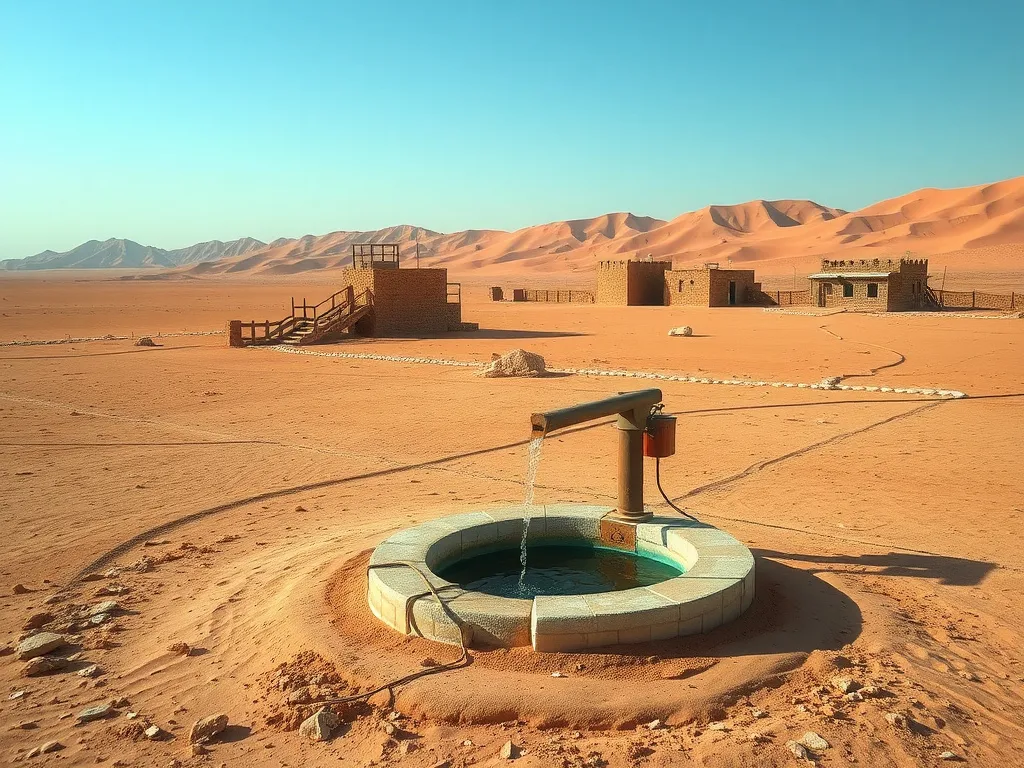
Saudi Arabia’s deserts and scant rainfall make groundwater extraction vital. Major aquifers—the Saq‑Ram, Wasia‑Biyadh, and Umm er Radhuma—sustain inland municipalities and agriculture, and careful development of these resources is central to national resilience.
To serve a growing population and fast‑expanding industry, drilling is integral to national water strategies and Vision 2030. Companies like Hajjan Drilling deliver solutions that complement efforts to cut non‑revenue water, expand reuse, and curb agricultural demand, while targeted drilling programs prioritize efficiency, monitoring, and lower lifecycle costs.
Methods and Technologies in Water Well Drilling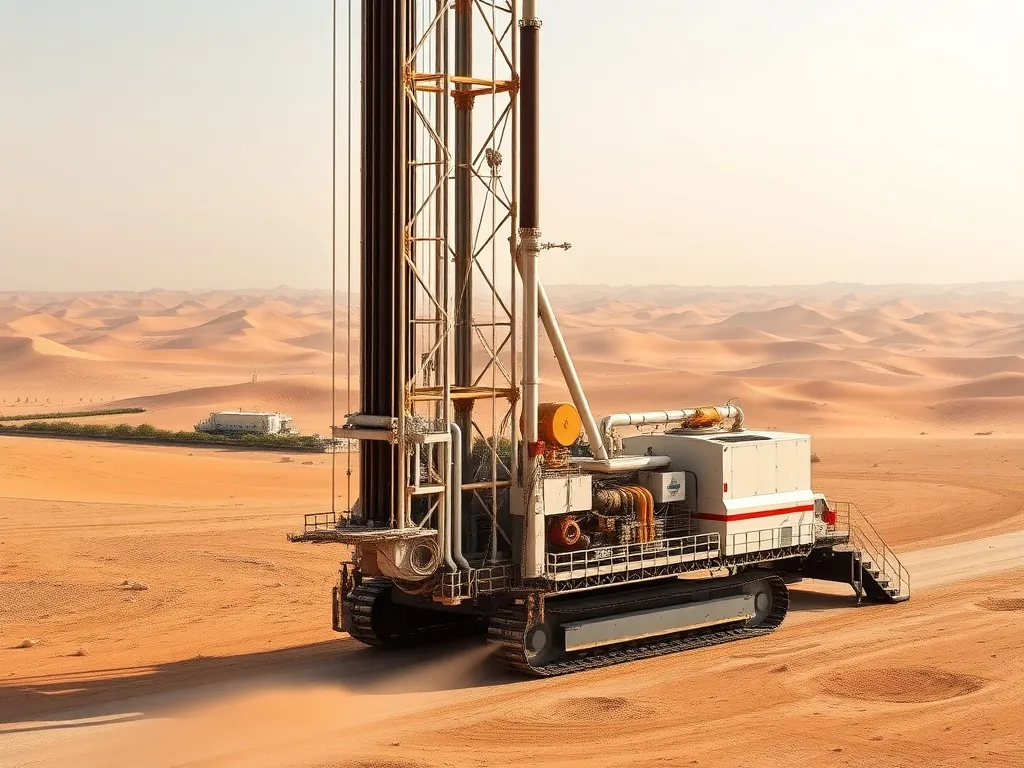
Modern drilling in Saudi Arabia blends pre‑drill surveys with the right rigs, downhole tools, and engineered fluids to stabilize boreholes and transport cuttings. Sound casing design, screen selection, and gravel packs protect water quality and maximize productivity while limiting maintenance.
- Rotary Drilling: The most common method, using a rotating bit. Mud rotary stabilizes holes and cools bits; air rotary with foam improves cuttings transport in dry, consolidated strata. Versatile across depths and diameters, it delivers high‑quality boreholes in the Kingdom’s sedimentary basins, provided fluids and returns are carefully managed to avoid formation damage.
- Percussion Drilling: For very hard rock, down‑the‑hole hammers break formations with high‑energy impacts and minimal fluids, producing straight, stable holes in the Arabian Shield. Ideal for deep production and observation wells in challenging geology, though energy needs and specialized equipment are higher.
- Auger Drilling: Used for shallow wells, with a helical screw removing soils. Fast to mobilize and cost‑effective for investigations and wells in cohesive soils above the water table, but unsuitable for deep or unconsolidated saturated formations.
GIS mapping and predictive analytics now guide siting and reduce risk. Remote sensing and geophysics delineate aquifers and recharge zones, while borehole logs inform casing and screen intervals. Real‑time telemetry and SCADA track drawdown, flows, and pump performance, enabling data‑driven adjustments that sustain yields and protect aquifers.
Challenges in Saudi Arabia’s Drilling Industry
Even with these advances, the water well drilling industry faces several major challenges:
- Environmental Concerns: Balancing extraction with ecological sustainability demands robust regulation. Excessive drawdown degrades ecosystems, triggers subsidence, and invites saline intrusion; sanitary protection, setbacks, and thorough impact assessments help preserve quality.
- Resource Depletion: Over‑extraction can deplete largely non‑renewable aquifers. Accurate safe‑yield estimates, metering, and monitoring are essential; where feasible, managed aquifer recharge with treated wastewater or stormwater can stabilize levels.
- Economic Fluctuations: Oil‑price swings affect funding and supply chains for specialized equipment. Diversified financing and local supply development help mitigate delays and cost spikes.
Addressing these issues requires technology, policy, and community engagement. Tiered tariffs, efficient irrigation incentives, shared data, training for farmers and well owners, and strict permit enforcement align daily practices with long‑term conservation.
Case Studies: Successful Water Well Drilling Projects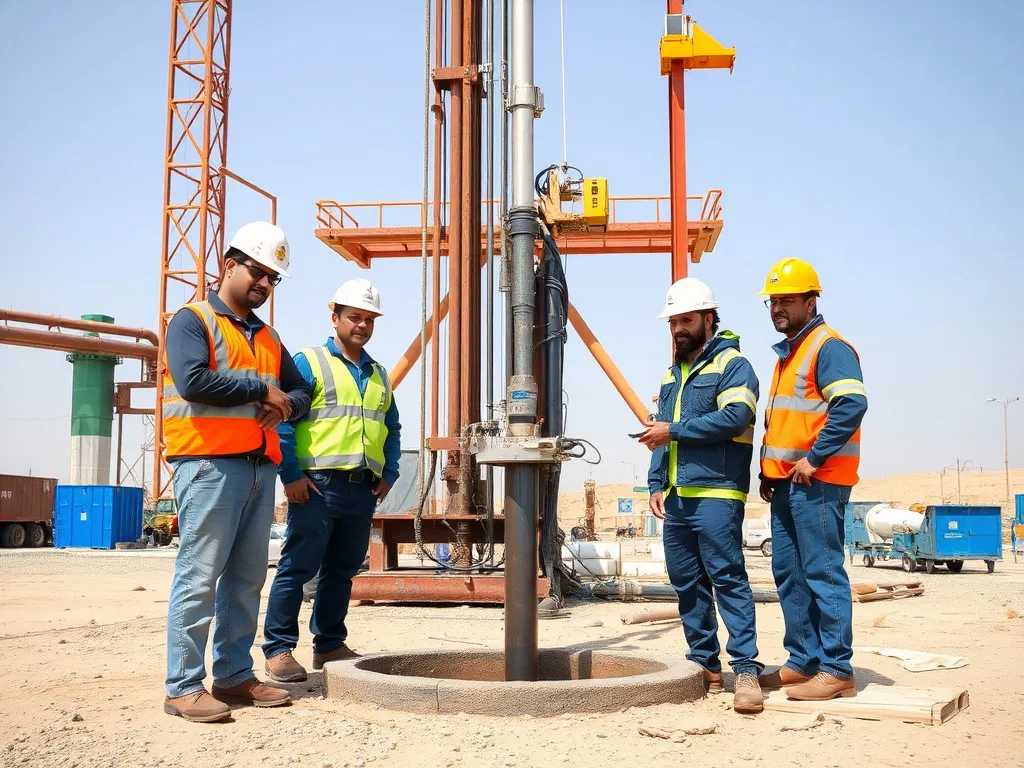
To illustrate the impact of water well drilling in Saudi Arabia, consider the following notable projects:
- Saudi Aramco’s Water Supply Network: More than 500 Hajjan‑drilled wells bolster Aramco’s strategic reserves and industrial growth. Advanced screening and development maximize yield and limit sand production, while integrated monitoring balances production, improves pump efficiency, cuts energy use, and upholds strict water quality standards.
- Joint Venture Initiatives: Partnerships with international firms introduced casing‑while‑drilling for unstable formations and DTH hammers for deep hard‑rock wells, shortening timelines and lowering costs. Training and knowledge transfer built local capacity in geophysics, data analytics, and asset management.
These examples show how strong partnerships, clear specifications, rigorous quality assurance, and post‑completion performance tracking improve reliability and deliver measurable lifecycle savings.
Best Practices in Water Well Maintenance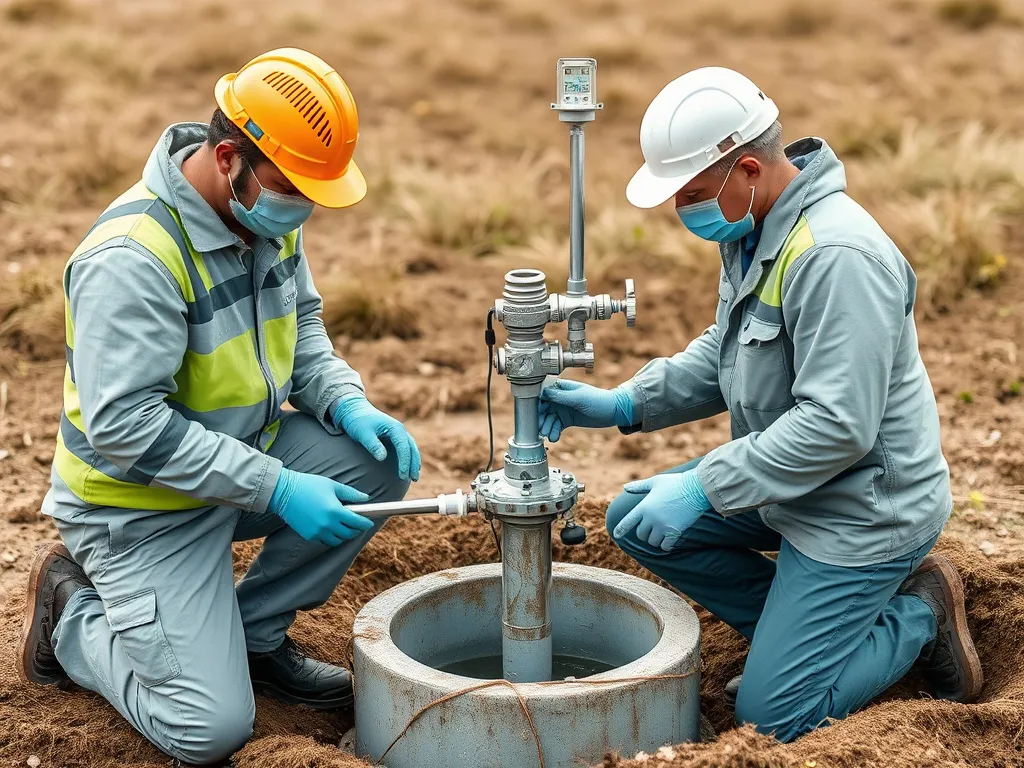
Maintaining water wells is as crucial as the initial drilling phase. Best practices include:
- Regular Inspections: Conduct routine structural checks and contamination screening. Downhole cameras, step‑drawdown tests, and water‑quality analyses (TDS, iron, manganese, nitrates, microbial indicators) catch issues early and protect public health.
- Proper Sealing and Grouting: High‑quality bentonite‑cement grouts create continuous annular seals, preventing cross‑connection and surface runoff intrusion. Sanitary wellheads and secure fencing protect critical assets.
- Implementing Cleaning Protocols: Periodic redevelopment—surging, airlifting, brushing, shock chlorination, or acid treatments in carbonate formations—removes biofouling, scale, and fines that clog screens and gravel packs.
These measures extend well life and optimize water quality. Digital maintenance logs, condition‑based monitoring, and energy audits for pumps (including variable frequency drives) further improve efficiency and reduce total ownership costs.
Hajjan Drilling Company’s Role and Achievements
Hajjan Drilling Company is a cornerstone of the sector, with 45+ years of experience and more than 1,100 wells nationwide serving industry and communities. A diverse fleet of rotary and DTH rigs, mobile workshops, and experienced crews enables rapid deployment for exploratory holes, high‑capacity production wells, and monitoring networks across remote and urban sites.
Its emphasis on safety, compliance, and environmental responsibility—backed by workforce training, quality assurance, and modern telemetry—supports Saudi Arabia’s water security goals and consistently delivers transparent, high‑standard performance.
The Future of Water Well Drilling in Saudi Arabia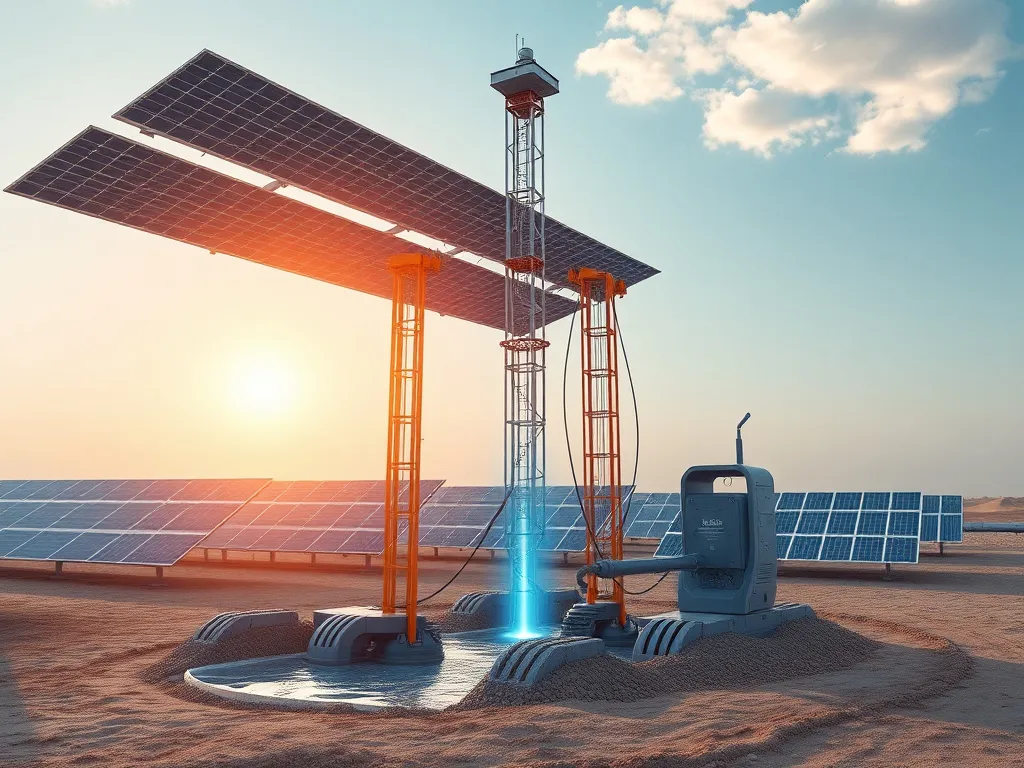
The future points to continued technological progress and strategic expansion, with sustainability at the core. Solar‑powered and hybrid systems, high‑efficiency motors, and smart controls will cut operating costs and emissions while improving resilience in harsh desert conditions.
Smarter, AI‑driven systems will raise resource efficiency and precision, supported by policy that encourages innovation. Expect aquifer digital twins, predictive pump maintenance, mandatory metering and telemetry for large abstractions, and expanded managed aquifer recharge using treated wastewater and stormwater.
Conclusion
Water well drilling remains central to Saudi Arabia’s infrastructure and environmental strategy. Advanced technologies, best practices, strong governance, transparent data, and sustained training are essential to overcome challenges and keep resources sustainable.
As the industry advances, collaboration among drilling companies, government entities, and technology innovators will secure the Kingdom’s water future. Firms like Hajjan Drilling, committed to excellence and progressive methods, are well positioned to meet diverse needs while aligning operations with long‑term aquifer health.