
Water Well Video Camera Logging: Transforming Maintenance and Efficiency
Innovation keeps reshaping water well maintenance and operations. A significant advancement is Water Well Video Camera Logging, which provides a clear view into a well’s structure and condition. The resulting information is crucial for maintaining efficiency and reliability. This article explores why video camera logging is important, how it impacts operations, and the advantages it offers to water well management.
Understanding Water Well Video Camera Logging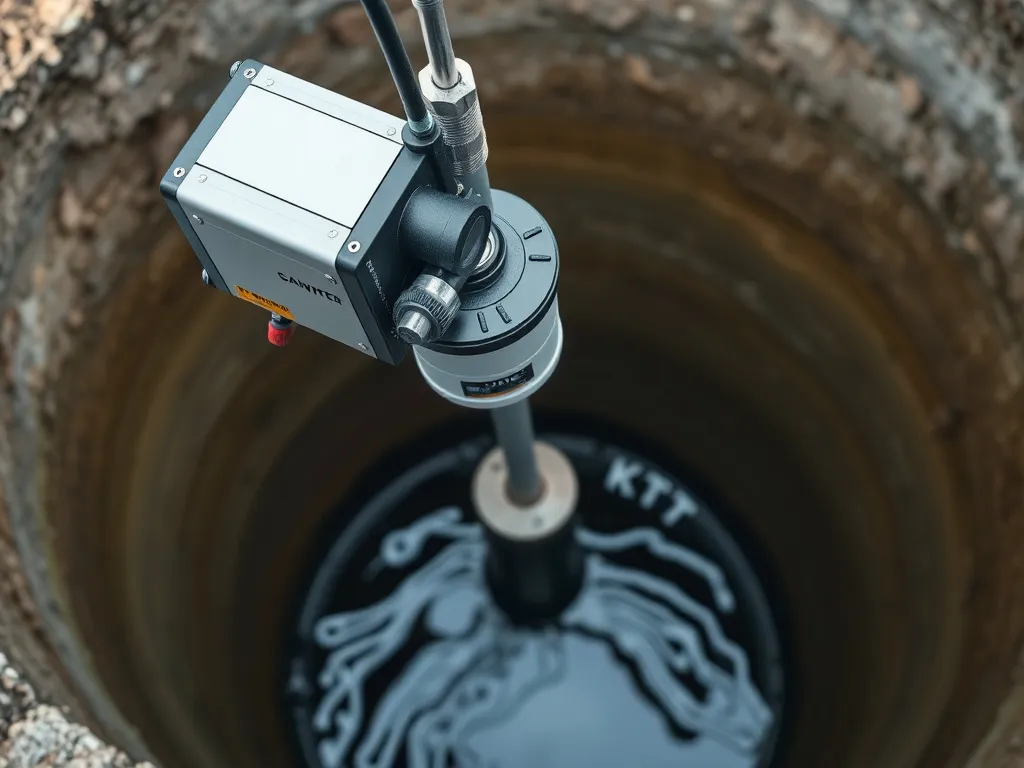
Water Well Video Camera Logging utilizes specialized cameras to capture real-time footage of a well’s interior. This allows for detailed visual inspection and highlights areas that may require maintenance or repair. The method helps identify problems and evaluate the overall health and efficiency of the well.
History and Development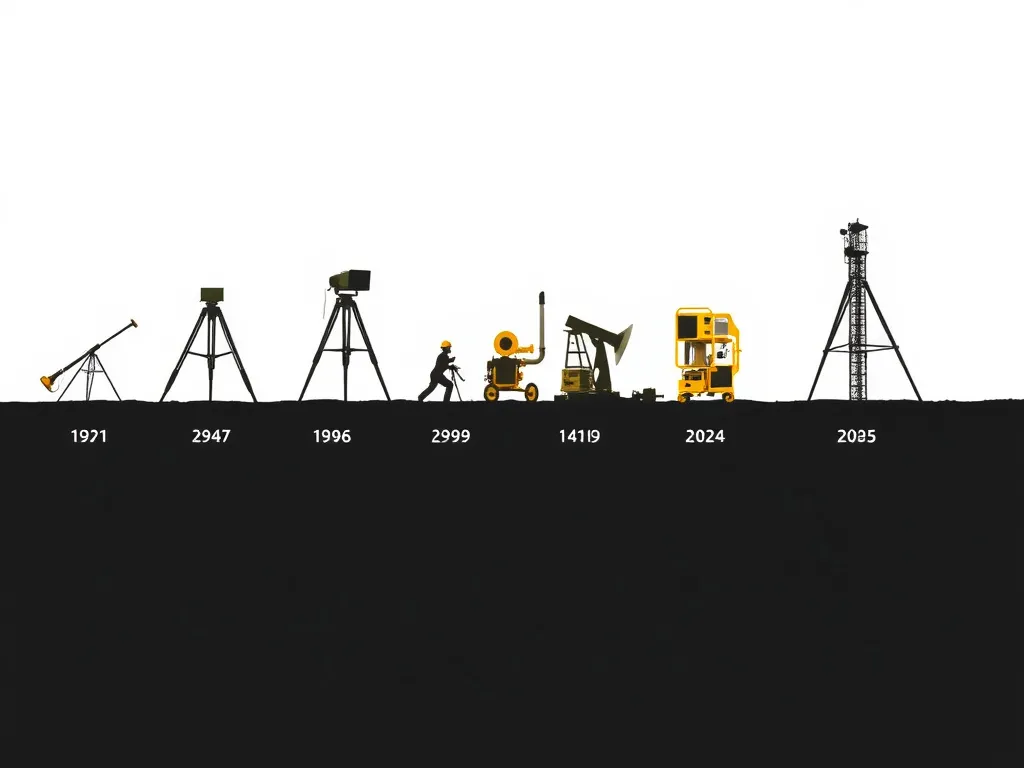
The growth of video camera logging closely follows advances in camera technology. Early well inspections depended on basic tools that lacked the precision needed for complex wells. With high-definition clarity and improved camera durability, inspections have been transformed, making video logging a vital tool in modern water well management.
Technology at Work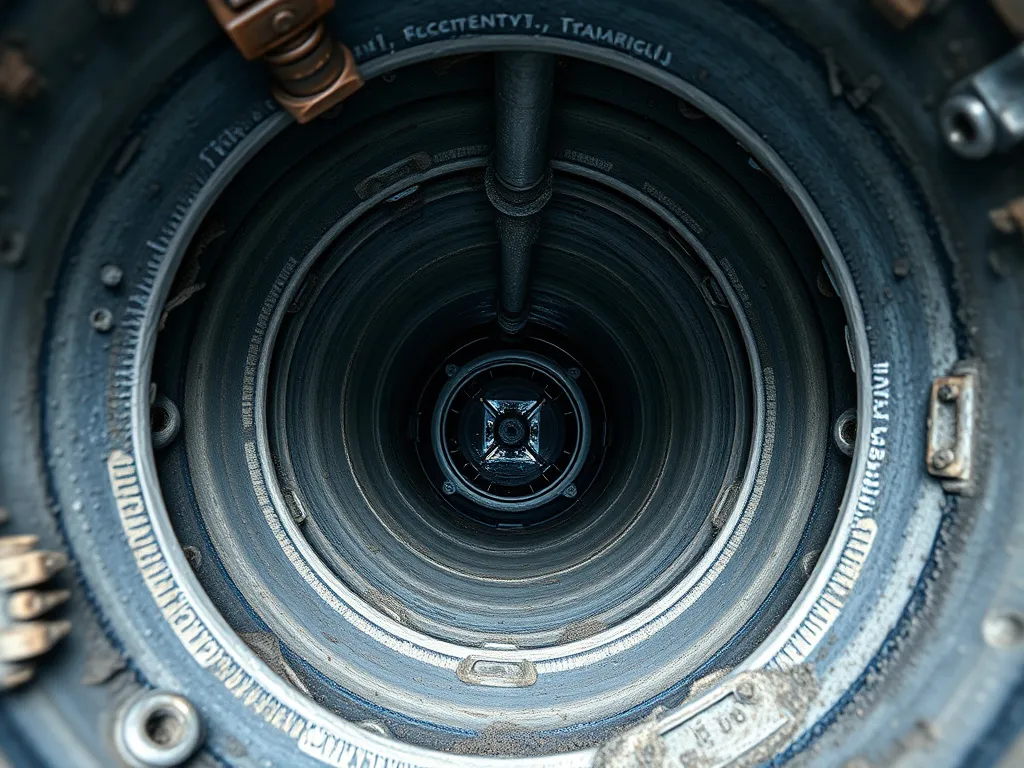
High-resolution cameras are lowered into the well to capture images and videos showing the condition of the casing, screen, and water levels. Clear visuals help technicians identify cracks, blockages, corrosion, and other issues. This enables proactive maintenance, reduces downtime, and helps prevent costly interruptions to the water supply.
Key Benefits of Video Camera Logging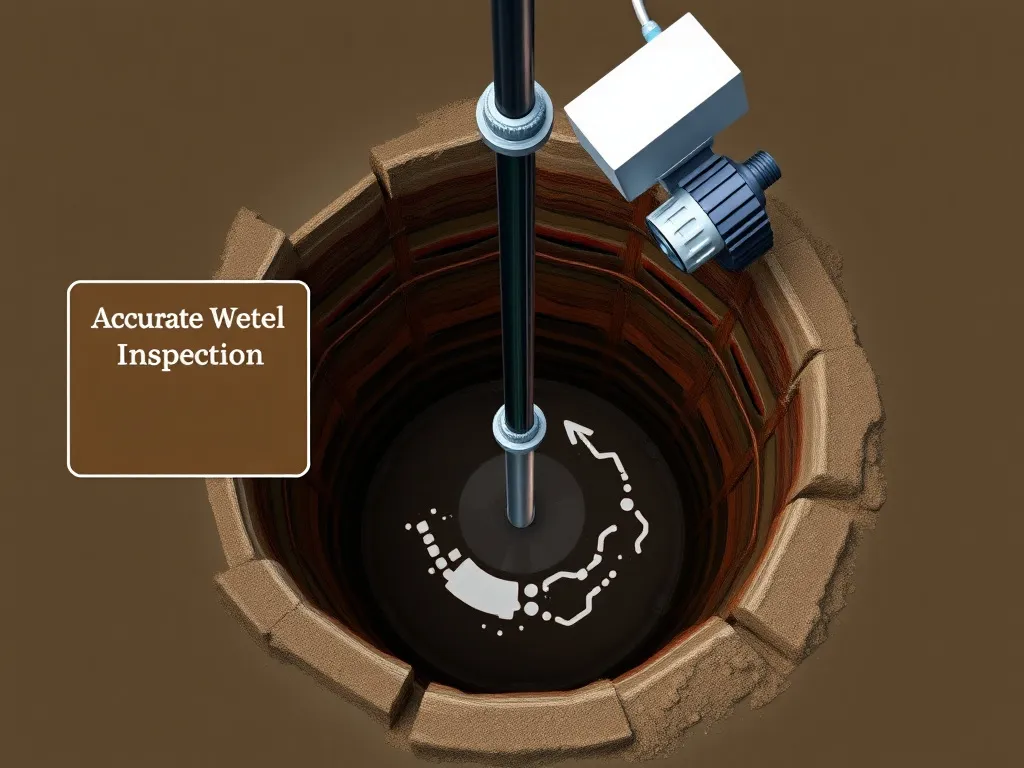
Integrating video camera logging into water well operations offers many advantages. It enhances the ability of professionals to keep wells running at peak performance while supporting compliance with industry standards.
Accuracy and Precision
High-definition cameras provide a thorough view of internal conditions, leaving little room for oversight. This level of accuracy helps detect even minor issues early and supports precise planning and execution of corrective actions.
Enhanced Maintenance Strategy
With clear visuals, maintenance strategies can be refined. Technicians can design targeted plans based on real-time data, reducing unnecessary site visits and using resources more efficiently. As a result, this technology strengthens the sustainability and dependability of water well operations.
Cost-Efficiency
Quick identification and resolution of potential issues prevent small problems from growing into major, expensive repairs. This saves on direct repair costs and minimizes operational disruptions, yielding significant overall savings for well owners.
Application in Water Well Maintenance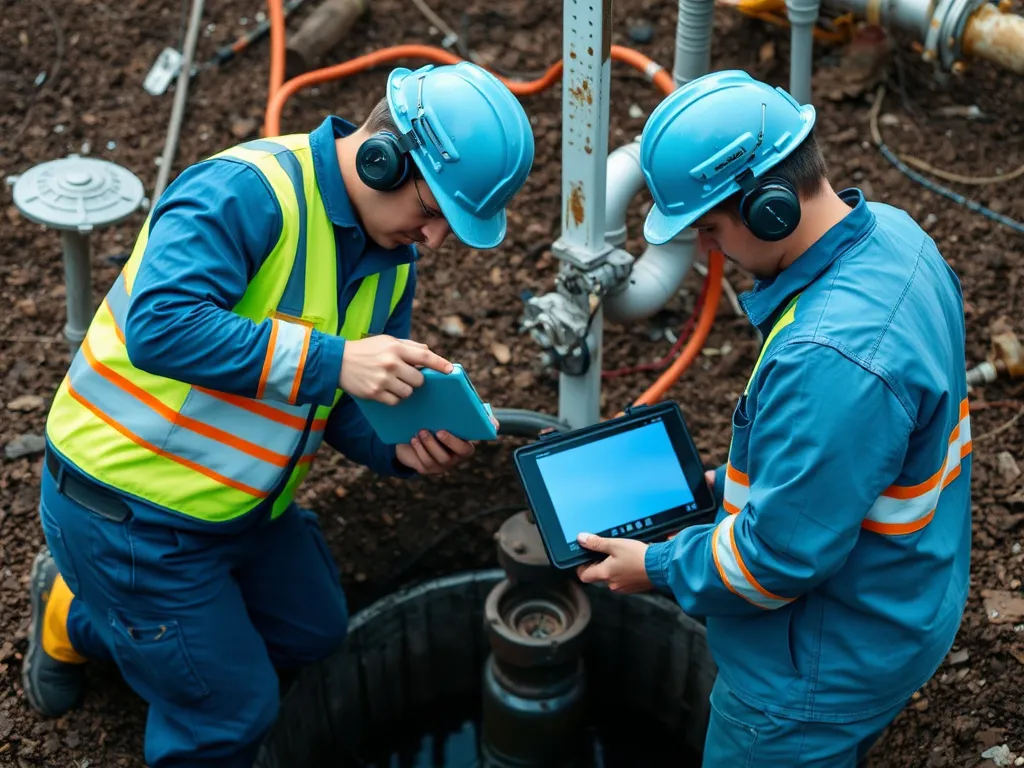
Video camera logging is a versatile tool that enhances multiple aspects of water well maintenance. It provides unmatched detail and scrutiny, enabling a more comprehensive and predictive approach.
Identifying Structural Issues
A key application is identifying structural integrity concerns within a well. These include cracks, leaks, or corrosion that, if neglected, could compromise safety and performance.
Assisting in Well Rehabilitation
Rehabilitation efforts benefit from the detailed imagery produced by video logging. The data guides engineers and technicians in creating and executing effective, issue-specific rehabilitation plans.
Documentation for Regulatory Compliance
Water well operations often must meet stringent regulatory standards. Video logs provide documented evidence of well condition, supporting regulatory submissions and compliance with local and national requirements.
Steps in Conducting Water Well Video Camera Logging
Video camera logging follows several key steps. Each one helps ensure the data collected is accurate and useful for decisions about maintenance and repairs.
Preparation
- Cleaning the Well: Before the inspection, clean the well to remove debris that could block the camera view or damage the equipment.
- Safety Checks: Perform safety checks to confirm all equipment is functioning properly, reducing risk during the operation.
Inspection
- Deployment: A winch system lowers the camera into the well and raises it back out, ensuring a steady descent and ascent.
- Data Capture: High-resolution video and images are recorded as the camera passes through different sections of the well.
Analysis and Reporting
- Data Review: Technicians review the footage to identify issues such as cracks, obstructions, or water quality concerns.
- Reporting: Comprehensive reports outline findings and recommend maintenance or repairs where needed.
Case Studies and Real-World Applications
Multiple case studies highlight the effectiveness of water well video camera logging. These examples show the practical benefits and insights gained from using this technology in different well scenarios.
Case Study: Industrial Well Inspection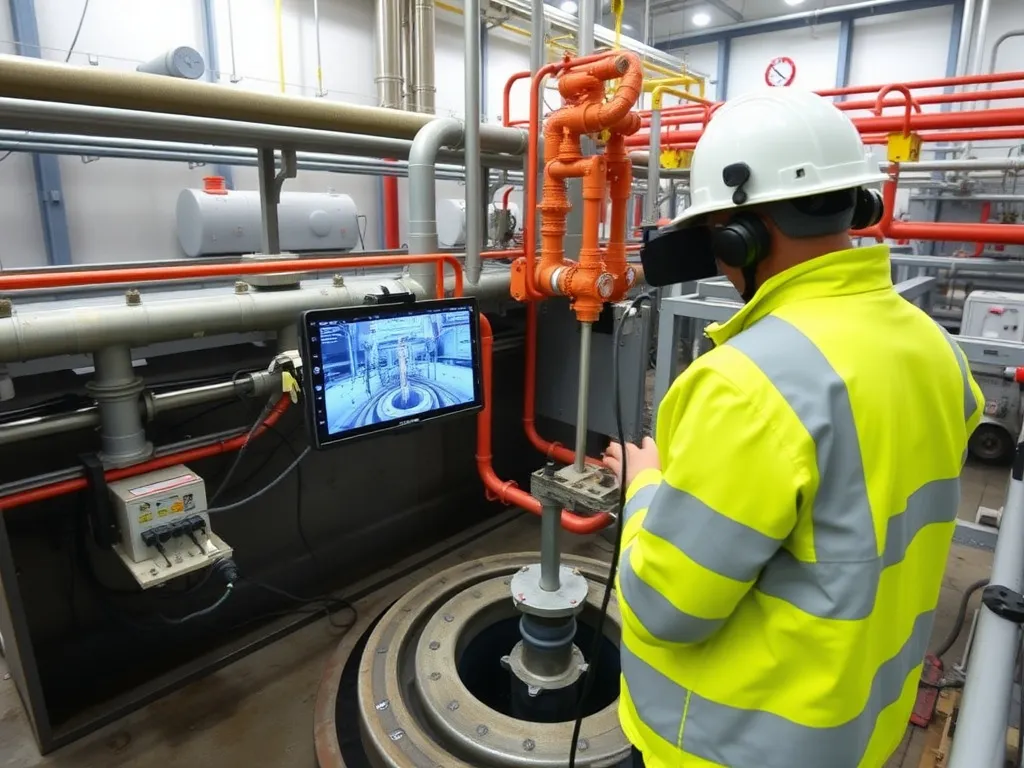
In an industrial setting, a large-scale manufacturing facility in Riyadh used video camera logging to ensure the reliability of its water wells. This enabled detection of a minor casing crack that might otherwise have led to a contaminated water supply, protecting water quality and avoiding costly downtime.
Case Study: Agricultural Well Maintenance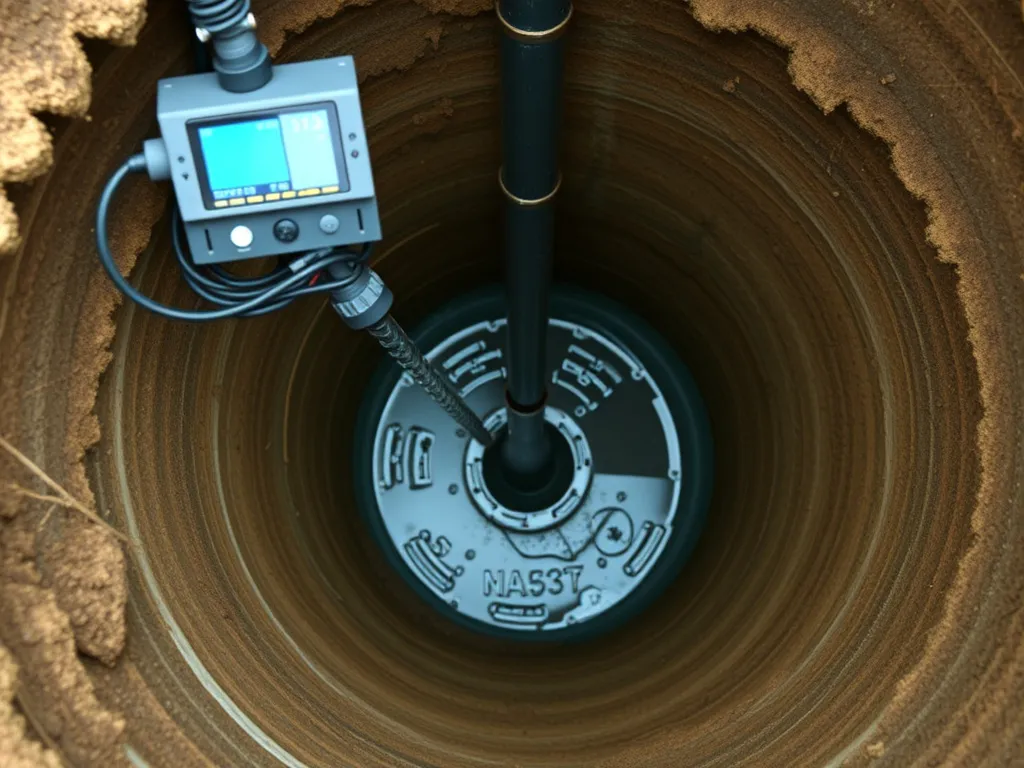
Agricultural operations near the Al-Qassim region relied on video logging for regular irrigation well inspections. This proactive approach helped maintain the consistent water flow their crops depend on, improving productivity and resource efficiency.
Best Practices for Implementing Video Camera Logging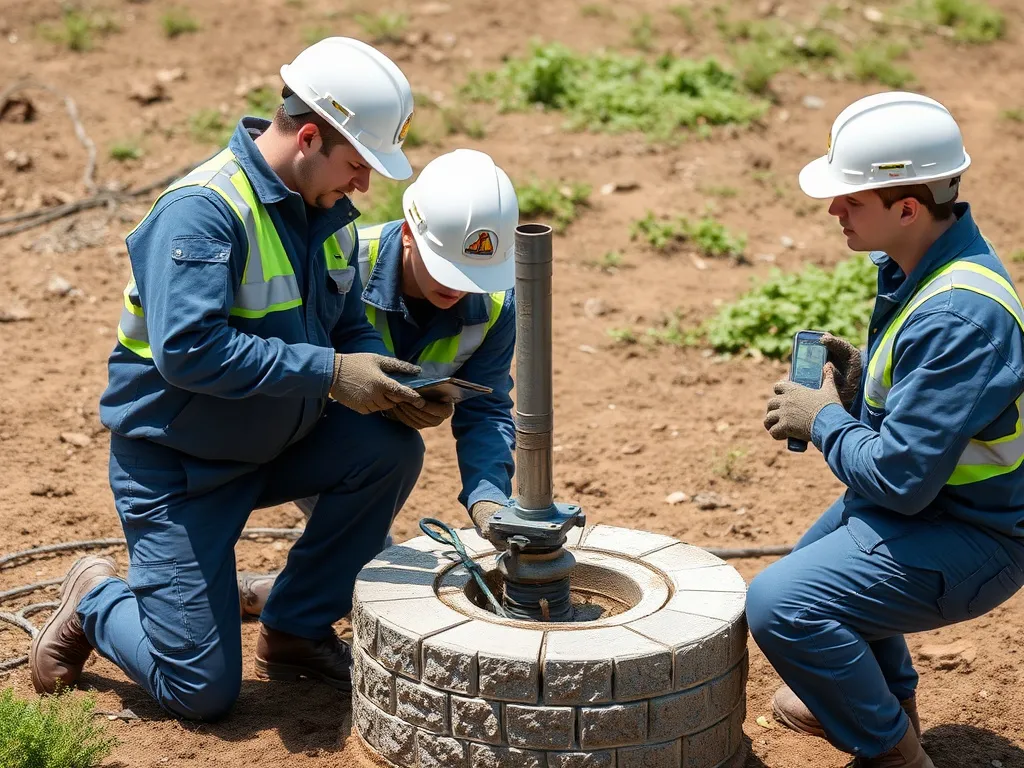
Effective implementation depends on best practices that maximize the value of the technology. Proper execution leads to better outcomes and extends the benefits over time.
Ensure Regular Scheduling
Schedule inspections regularly to catch problems early. Consistent monitoring supports long-term maintenance plans and lowers the risk of serious operational disruptions.
Integrate with Other Technologies
Combine video logging with other diagnostics such as flow meters and pressure sensors for a more complete picture of well conditions. This multi-faceted approach strengthens diagnostics and supports better decision-making.
Training and Skill Development
Invest in technician training so video logging equipment is used correctly and efficiently. Skilled operators interpret data accurately, enabling precise maintenance actions and optimized well performance.
Conclusion: The Future of Water Well Inspection
As technology advances, water well video camera logging marks a major step forward in water well management. The technology not only strengthens the ability to maintain well integrity but also supports broader goals of sustainability and resource stewardship. By adopting and integrating video camera logging into routine operations, water well operators can improve reliability, safety, and efficiency, contributing to long-term water resource management.
Hajjan Drilling Company remains at the forefront of employing these innovative practices, ensuring that wells across Saudi Arabia operate at peak efficiency. For more insights and information on how modern technologies can enhance water well operations, visit hwd.sa .