
Beyond the Gas Station: The Surprisingly Diverse Role of Drilling in Our Daily Lives
When we imagine drilling, oil platforms and gas stations typically come to mind, yet its influence extends far beyond powering cars. It supports numerous parts of modern life, from healthcare and fashion to farming and building. This article delves into how drilling impacts everyday life and highlights its often hidden but crucial contributions. Once you begin to trace material origins, you find drilling behind the packaging on your breakfast cereal, the fibers in your workout clothes, and even the sealants that keep your home weather-tight and comfortable.
The Wide-Ranging Effects of Drilling
Drilling is vital for producing petroleum and natural gas, the foundation behind many everyday items. While petroleum is often tied to gasoline, its byproducts appear in countless goods we depend on, including plastics, fabrics, cosmetics, and medicines. According to sources like COGA, petroleum byproducts are key elements across various sectors. This connection goes beyond energy and reaches deep into industry and consumer products. Think of household detergents, adhesives, insulating foams, and even the ink in your pens—each often relies on petrochemical components that start with drilled resources.
Natural gas drilling also supports petrochemical production essential to making plastics and other synthetic materials, serving as raw materials for numerous products. Whether you’re walking on asphalt roads or typing on a computer, drilling’s impact is widespread. Feedstocks like ethane and propane are “cracked” into building blocks such as ethylene and propylene, which are then transformed into films, bottles, fibers, and coatings that enhance safety, convenience, and product longevity in daily life.
Drilling’s Role in Medical Progress
Drilling significantly aids healthcare. Medical tools such as stethoscopes, IV bags, and syringes rely on materials derived from drilling. As highlighted by the Western States Petroleum Association, nearly all pharmaceutical raw materials use petrochemical sources. From aspirin to antibiotics, essential medication ingredients depend on drilling-derived petrochemicals. Consistent, high-quality polymers also enable sterile, single-use devices that help reduce hospital-acquired infections and keep procedures efficient and safe for patients and clinicians.
Beyond medicines, hospitals and diagnostic centers use equipment and protective gear made from petroleum-based products. Plastics from petrochemicals are also used in implants and prosthetics, making drilling a life-saving contributor in many areas. MRI casings, catheter tubing, heart-valve components, and even the packaging that maintains sterility during transport all rely on materials tied to drilling; so do common PPE items like face shields and gown coatings that provide reliable barriers to contaminants.
Case Study: The Creation of Petroleum Jelly
A well-known example is petroleum jelly’s creation. In the late 1800s, chemist Robert Chesebrough observed oil workers using oil residue to heal skin problems, leading to the famous product Vaseline. This illustrates DrillingMatters.org’s point about drilling’s role in medical innovation and daily utility. Over time, its uses broadened—from soothing minor burns and wind-chapped skin to forming moisture barriers in clinical settings—showing how a byproduct of drilling became a household staple through careful refinement and testing.
Impact on Farming and Food Production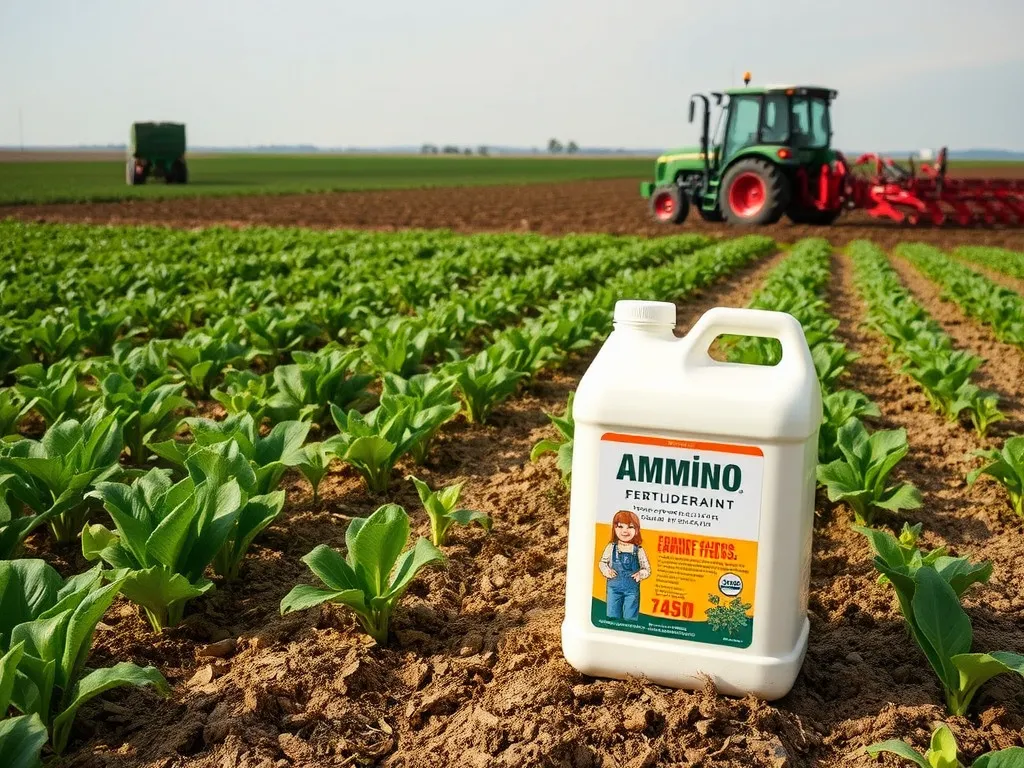
Drilling’s influence extends to farming. Natural gas serves as a main raw material for nitrogen fertilizers, as stated in a report by the American Gas Association. This link emphasizes drilling’s vital role in maintaining crop yields and food supplies. The ammonia produced from natural gas feeds the global Haber–Bosch process, which underpins modern agriculture by replenishing soil nutrients and enabling farmers to meet the needs of growing populations.
- Fertilizers: Nitrogen fertilizers come from ammonia produced through natural gas. Without this source, harvests of staple crops like corn, wheat, and rice would drop significantly, affecting food prices and availability worldwide.
- Pesticides and Herbicides: Many are made with petrochemical bases. These formulations help protect plants from pests and invasive species, reducing losses in the field and during storage while improving overall farm efficiency.
- Fuel for Farming Equipment: Gasoline and diesel ensure machinery runs efficiently. Tractors, harvesters, irrigation pumps, and distribution trucks all rely on dependable fuels to plant, cultivate, and deliver food on schedule.
The contribution of drilling to farming is essential, providing both the means to grow crops and the fuels to operate machinery. It also supports irrigation systems, greenhouse films, and food-safe packaging that preserve freshness and cut waste from farm to table.
Contribution to the Fashion Industry
Drilling affects the fashion industry through the creation of synthetic fabrics. Petroleum-based materials like nylon, polyester, and acrylic are widely used in clothing and accessories. According to the International Association of Oil & Gas Producers, these materials offer comfort and functionality, featuring properties like water resistance and durability. They also enable stretch, wrinkle resistance, and moisture-wicking performance, all of which are prized in activewear, travel garments, and uniforms that must endure heavy use.
Synthetic fibers are crucial in outdoor wear, sports clothing, and even luxury fashion, showcasing the varied uses of products derived from drilling. Designers blend them with natural fibers to achieve precise textures and drape, while footwear and accessories rely on petrochemical-based foams, coatings, and adhesives for structure and long-term wearability.
Building the Future: Construction and Infrastructure
Drilling supports infrastructure development, with oil byproducts essential to constructing roads, buildings, and homes. Asphalt, a product of petroleum refining, is used in paving roads and roofing. The U.S. Department of Transportation emphasizes asphalt’s cost-effectiveness and durability, highlighting drilling’s role in urban development. Petrochemical-derived sealants, membranes, and insulation also make buildings more energy efficient, improving comfort while lowering heating and cooling demands over decades.
| Material | Usage |
|---|---|
| Asphalt | Roads and roofing |
| Petrochemicals | Paints, pipes, safety gear |
| Plastics | Insulation, fixtures, protective barriers |
From highways to residential complexes, drilling supports the materials that make up our infrastructure, demonstrating its foundational role in civil engineering. Even fiber-optic conduits, traffic safety equipment, and stormwater systems often incorporate plastics and polymers that begin with oil and gas feedstocks.
Drilling in Everyday Comforts
In our homes, offices, and leisure activities, drilling’s contributions are many. Petroleum-based products form the backbone of electronics, furniture, and recreational items. As documented on Republican Policy House, items ranging from kitchen surfaces to children’s toys contain petroleum-derived materials. The cushions on your sofa, the protective cases around devices, and the paints that brighten rooms frequently rely on polymer science enabled by drilled resources.
This presence is especially notable in electronics, where plastics ensure safety and functionality while supporting sleek designs. Casings insulate components, wire coatings prevent shorts, and lightweight composites allow for thinner, more durable products that withstand daily wear and tear.
Practical Examples: Everyday Items
From mobile phones to sports gear, drilling supports technological and cultural progress alike: these items illustrate how high-performance materials transition seamlessly from industrial feedstock to consumer benefit, often invisibly.
- Smartphones and Tablets: Advanced technology using petroleum-based plastics. The screens are protected by polymer layers, while internal components are separated by insulating films and casings that keep devices compact and robust.
- Sports Equipment: Tennis balls, surfboards made from tough synthetic materials. Helmets, pads, and performance footwear rely on foams and resins engineered for impact absorption and stability during intense movement.
- Home Appliances: Non-stick pan coatings, plastic containers for convenience. Refrigerators and dishwashers depend on durable gaskets, seals, and housing materials that resist moisture, heat, and cleaning chemicals.
Drilling’s impact is woven into daily comforts, steering progress across various fields. It enhances safety, reduces weight, and improves durability—qualities that together make modern products more accessible and longer lasting.
Conclusion: Rethinking Perceptions
The widespread influence of drilling challenges the traditional view of its role, extending benefits far beyond energy production. It highlights a complex relationship with our modern life, proving its essential nature in healthcare, farming, manufacturing, construction, and daily comforts. Recognizing these links helps explain why supply chains for oil and gas affect not just fuel prices, but also the availability and cost of goods across many categories.
Moving forward, it is crucial to balance drilling practices with sustainable methods to maximize benefits while aiding environmental conservation. Understanding the range of drilling’s contributions allows us to appreciate its deep impacts and implement informed strategies in its use. Efforts such as improving methane management, advancing recycling and circular design, and developing lower-carbon production methods can preserve utility while reducing environmental footprints.
As we move towards sustainable development, let us recognize drilling’s surprising diversity and harness its potential responsibly. Informed choices by consumers, innovators, and policymakers—paired with continuous efficiency gains—can support both quality of life and stewardship of the planet we share.