
New Tech in Saudi Drilling: A 2030 Perspective
As Saudi Arabia advances toward Vision 2030, drilling is undergoing rapid technological change focused on lower environmental impact and higher efficiency. This perspective charts the next decade and the innovations poised to reshape the field. Vision 2030 centers water security, resilient infrastructure, and sustainable industry, making water‑well and geotechnical drilling both an economic lever and a public good. The Kingdom’s arid climate and dispersed sites demand robust, data‑driven, energy‑efficient solutions. Today’s conversation spans advanced analytics, low‑carbon power, and integrated delivery, blending subsurface expertise with digital workflows so teams can anticipate conditions and adapt parameters in real time. It also requires a workforce fluent in AI‑assisted tools, safe automation, and environmental stewardship. As these capabilities converge, drilling shifts from a mostly mechanical task to an information‑rich discipline supporting water, energy, construction, and community goals.
Present Technology in Water Well Drilling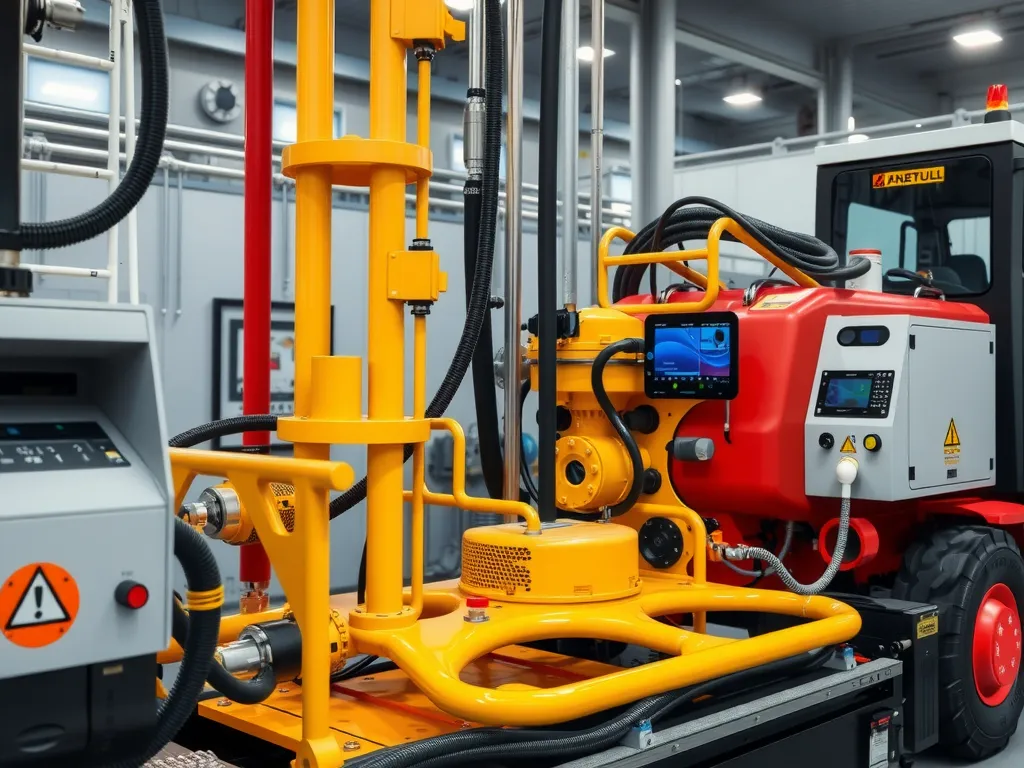
In recent years, Saudi drilling has modernized fast. Traditional methods are giving way to automation, live data, and stronger geotechnical practices. Firms such as Saudi Aramco lead adoption, echoing a global push in which over 60% of companies plan technology upgrades by 2025 (
farmonaut.com
). On rigs, automated pipe handling cuts exposure and accelerates tripping; top drives with torque tracking and digital controls refine weight on bit and penetration rates. Downhole telemetry—via mud pulse or wired pipe—streams data on vibration, pressure, and bit behavior to extend tool life and reduce non‑productive time. For water wells, geophysical logging and surveys optimize aquifer characterization, screen placement, and gravel packs. Satellite imagery and drone photogrammetry aid siting and access planning. Machine‑learning maintenance forecasts failures in pumps, drawworks, and generators, trimming downtime. Centralized operations centers oversee multiple rigs, compare performance, and deliver remote support, turning drilling into a safer, more precise, data‑centric enterprise.
Expected Technological Progress by 2030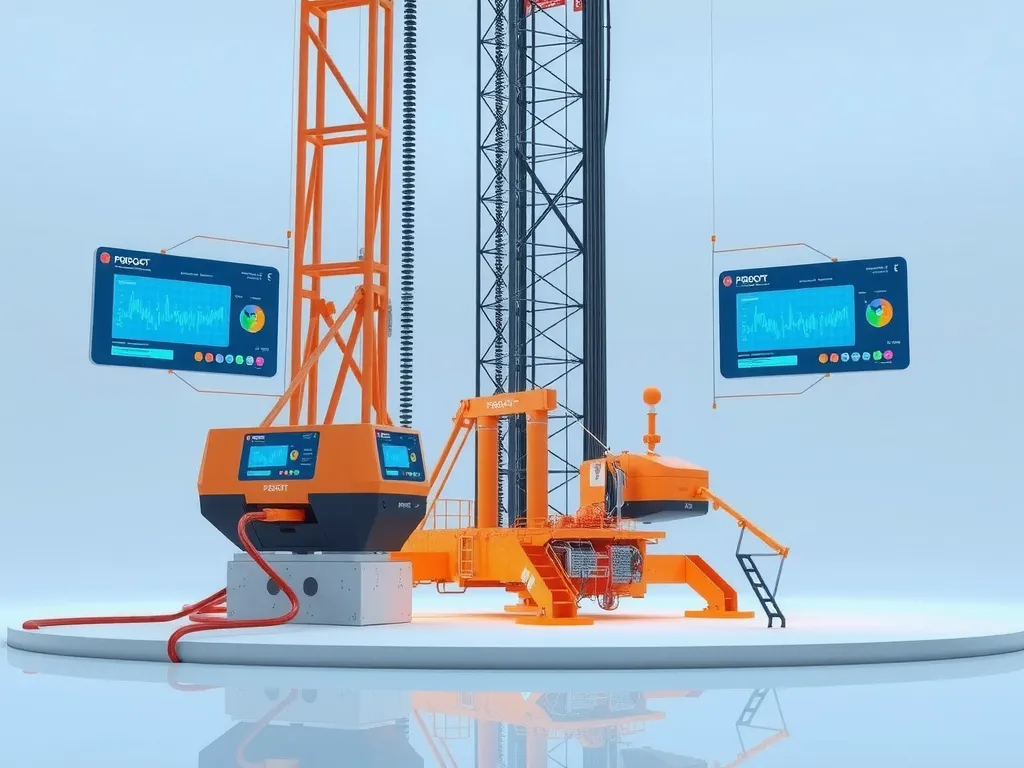
By 2030, progress will be driven by artificial intelligence, the Internet of Things (IoT), and cleaner power. Integrating AI with real‑time monitoring will sharpen precision and shrink environmental footprints. According to
globenewswire.com
, managed‑pressure drilling and electromagnetic imaging will be pivotal offshore and in deepwater, and the same ideas will inform onshore water and geotechnical work. Edge computing with 5G or satellite links will let algorithms run near the bit, automatically adjusting within safety limits to curb stick‑slip, vibration, and tool damage. The IoT will connect rigs, fluid plants, fuel systems, and logistics to anticipate bottlenecks and align schedules with environmental constraints. Hybrid power—solar, batteries, and efficient engines—will cut diesel use; hydrogen‑ready gensets and biofuels can deepen decarbonization. Water stewardship will advance through closed‑loop recycling, improved cuttings treatment, and brine reinjection. Strong cybersecurity and data governance will protect geological data, model integrity, and trust in autonomy.
Specific Uses in the Saudi Setting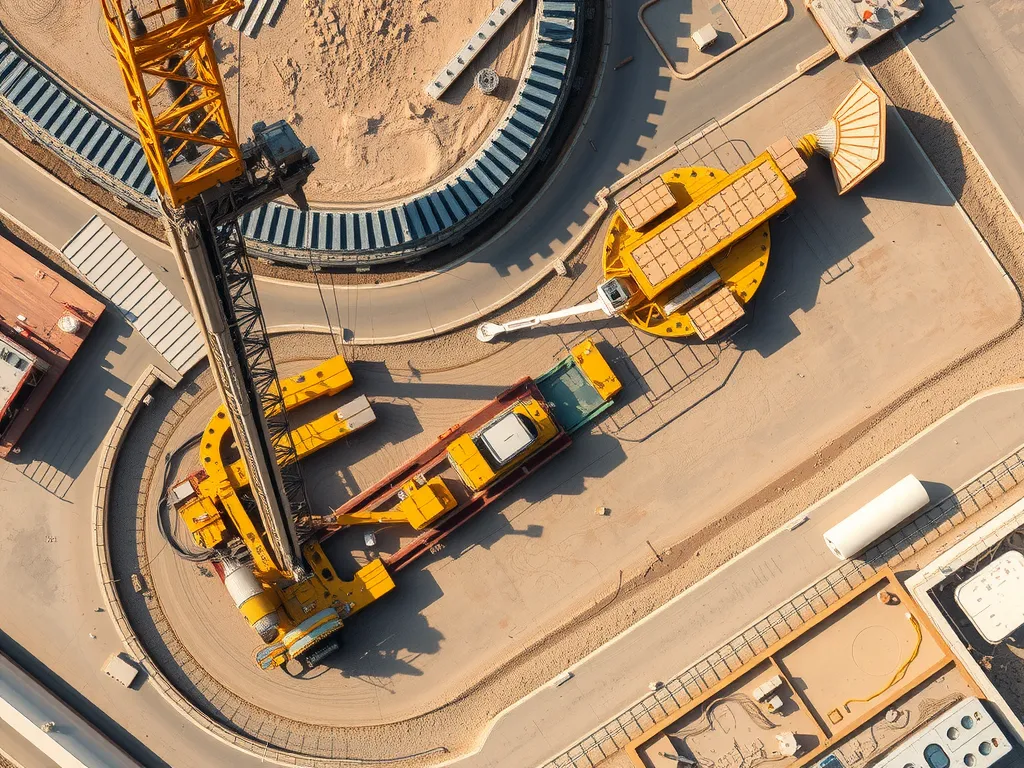
The blend of advanced tools and Saudi megaprojects creates distinct opportunities. Projects like the Red Sea Project, NEOM, and Qiddiya require solutions for complex geology and strict sustainability goals (
grantthornton.sa
). Examples include directional utility corridors beneath sensitive habitats, deep wells for camps and growth, and foundation drilling in carbonates and evaporites where karst demands continuous monitoring and adaptive casing. High‑resolution imaging reduces uncertainty for coastal assets affected by sabkha soils, salinity, and fluctuating groundwater. In the northwest mountains, terrain‑aware planning, modular footprints, and drone logistics shorten mobilization and limit disturbance. Real‑time dashboards combining drilling, weather, and marine data improve safety during dust or humidity events, while digital permitting speeds coordination with regulators. Equally, local content priorities make training and knowledge transfer essential so Saudi teams can configure, calibrate, and interpret modern instruments. Targeted tech, local capability, and risk‑based execution will set the pace of delivery.
Hybrid and electric rigs are central to emissions cuts , while real‑time analysis supports dynamic, safer decisions. Battery systems capture hoisting and braking energy, smoothing peaks so smaller, cleaner generators run efficiently. Electric top drives and mud pumps reduce noise and vibration, benefiting crews and nearby communities. In remote deserts, solar plus storage can carry auxiliary loads and keep critical systems online during standby with minimal fuel. Fleetwide telemetry benchmarks fuel intensity per meter drilled, flags outliers, and tests parameter sets, turning small gains into large annual improvements. Subsurface models that ingest cuttings imagery, torque‑and‑drag, and flow data anticipate instability or losses; automated alerts trigger adjustments to mud weight, nozzle configuration, or penetration targets, recorded in auditable reports. The outcome is greater consistency—fewer surprises, shorter learning cycles, and cleaner, safer wells at lower unit cost.
Conclusion
As the industry moves toward 2030, technology adoption will be vital to solving Saudi Arabia’s unique geological and environmental challenges. Aligning with Vision 2030 positions the Kingdom as a leader in sustainable, efficient drilling, delivering stronger economics and environmental responsibility. Progress rests on three pillars: digital excellence, decarbonized operations, and skilled talent. Digital excellence grounds decisions in reliable data and models; decarbonization aligns projects with climate goals and stakeholder expectations; talent ensures safe, creative deployment. Collaboration among operators, service firms, manufacturers, and academia will accelerate standards and lower adoption costs. As regulations evolve to recognize low‑emission equipment, closed‑loop fluids, and verifiable performance, early movers will gain faster approvals and reputational advantage. The most competitive organizations will treat every well as a learning asset, converting field data into better designs, quicker mobilizations, and measurable social and environmental value.
Hajjan Drilling Company, with over 45 years of experience, is positioned to capitalize on these shifts and sustain leadership in the Saudi market. The convergence of technology, environmental priorities, and resource stewardship points to a bright future. Deep field experience and a culture of improvement support fleetwide integration of hybrid power, advanced telemetry, and predictive maintenance. Structured training, competency checks, and mentorship prepare crews to interpret real‑time data, use safe automation, and perform confidently under changing conditions. Strong vendor partnerships and quality assurance ensure reliable tools and rapid spares—essential for remote jobsites. Environmental stewardship—from responsible fluids to careful site restoration—helps projects meet expectations without delaying schedules. By aligning planning with digital models, matching assets to geology, and maintaining unwavering safety, Hajjan can help clients deliver efficient, compliant, future‑ready wells and foundations—where experience fuels innovation and innovation guides daily work across the Kingdom.