
The Future of Water Well Drilling in Saudi Arabia: Adopting New Technologies and Sustainable Approaches
For over forty years, water well drilling has been crucial in Saudi Arabia, securing ongoing water supply. As the Kingdom progresses, the future involves integrating new technologies with sustainable methods, enhancing industry benchmarks and influencing water management both regionally and globally. In an extremely arid climate, dependable groundwater underpins households, farms, and growing industrial zones. Wells complement desalination and reuse programs while bringing resilience to inland communities far from the coasts. Aligned with Vision 2030, the next chapter emphasizes smarter planning, better data, and closer coordination among geoscientists, engineers, regulators, and local stakeholders so each well yields reliably with minimal ecological disturbance.
Technological Progress in Water Well Drilling
Fast-paced innovation has transitioned water well drilling from older techniques to advanced technologies. Today’s equipment is designed for accuracy and effectiveness, reaching deep water sources while reducing environmental effects.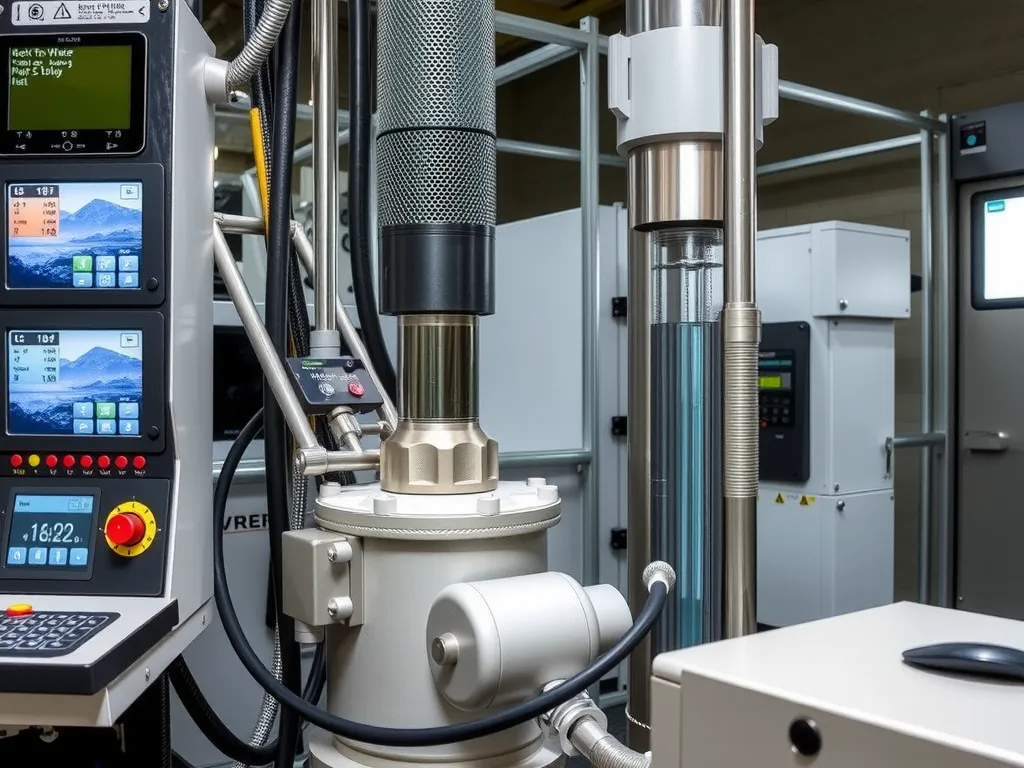 Advanced tools for geological analysis now play a key role, allowing experts to evaluate aquifer formations, fine-tune drilling paths, and predict water supply. These innovations not only boost operational efficiency but also help minimize the risk of depleting aquifers. Examples include rotary steerable systems with measurement‑ and logging‑while‑drilling suites that stream resistivity, gamma, and sonic data to guide borehole trajectories. 3D hydrogeologic models—updated with satellite imagery and subsidence monitoring—pinpoint productive zones while avoiding sensitive layers. Drones speed site reconnaissance, and SCADA plus downhole gauges feed dashboards. Machine learning refines bit choice and maintenance, reducing non‑productive time and improving safety.
Sustainable Drilling Methods
With growing environmental concerns, sustainable drilling is essential.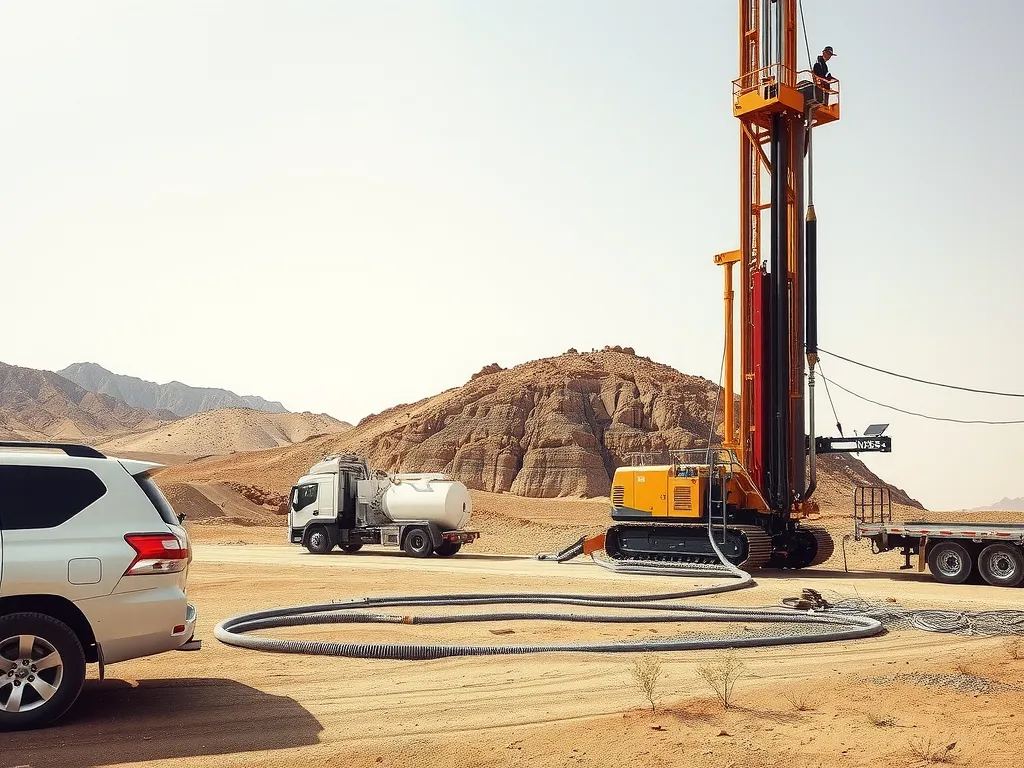 Eco-friendly methods like air drilling and biodegradable drilling fluids are becoming popular, aiming to cut down carbon emissions and safeguard nearby ecosystems. In the Kingdom, several initiatives have demonstrated the feasibility and advantages of sustainable drilling, focusing on reduced water loss, energy savings, and minimal land disturbance—establishing a standard for future projects. Beyond fluid choices, closed‑loop circulation recovers and reuses drilling fluids, lowering discharge and freshwater demand. Variable‑frequency drives and efficient compressor packages trim fuel use, while hybrid solar–diesel power on remote pads reduces emissions. Equally important are well‑integrity measures—casing, cementing, and annular seals—to prevent cross‑formation flow. Where feasible, managed aquifer recharge returns treated water to storage, strengthening long‑term resilience.
The Importance of Saudi Aquifers
Saudi Arabia’s aquifers are crucial to the country’s water supply and require thoughtful, efficient management.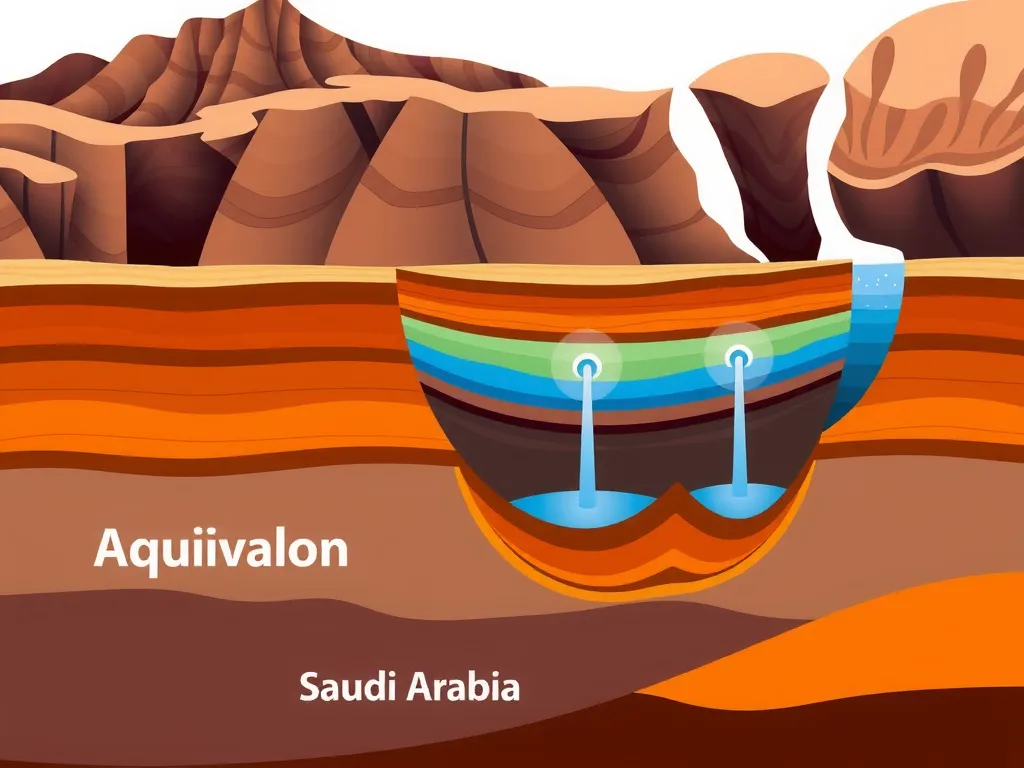 Understanding these aquifers allows for precise drilling, maintaining sustainable extraction levels. However, challenges like over-extraction and pollution threats remain, which must be handled with the long-term health of aquifers in mind. Improved geological insights and cutting-edge technology are key to tackling these challenges. Many Saudi aquifers are fossil systems with very low recharge, so extraction must consider multi‑decade balances. Operators apply spacing rules, staged pumping, and automated flow controls to limit drawdown and saline upconing. Observation wells and smart meters feed numerical models that test demand scenarios before permits are issued. Attention to legacy assets—especially sealing abandoned wells—protects quality and recovers capacity.
Effects on Local and International Water Management
Merging modern technologies with sustainable practices in Saudi water well drilling has wide-ranging effects.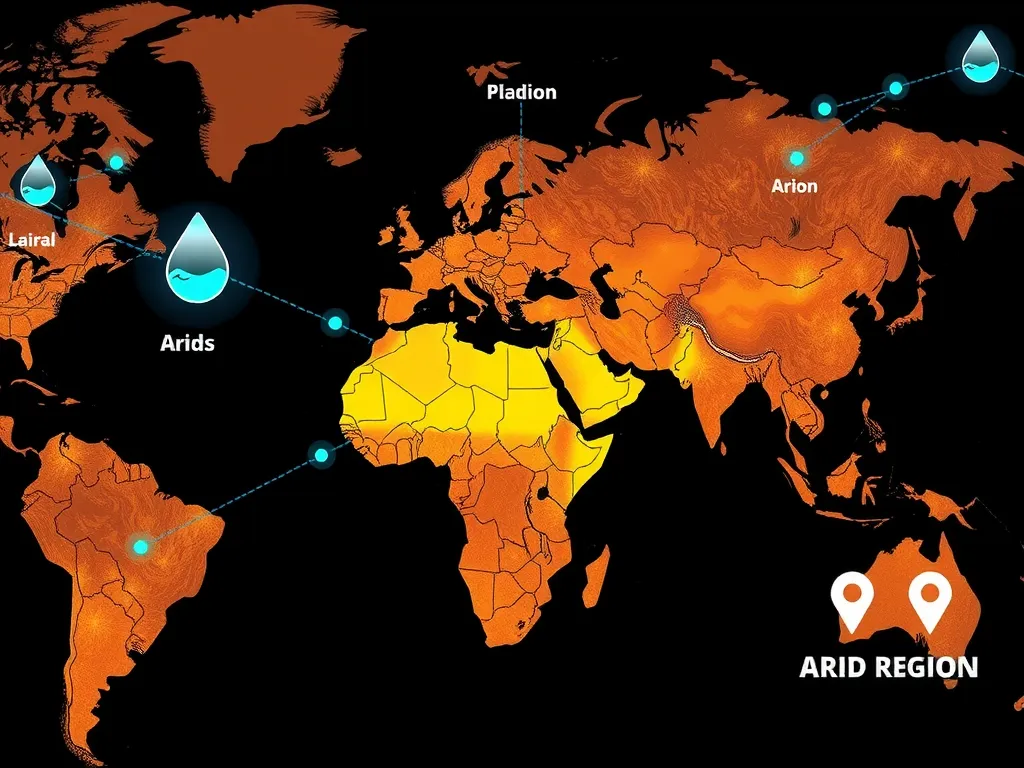 Locally, it strengthens resource management and aligns with the Kingdom’s vision for a sustainable future. Internationally, Saudi Arabia’s innovations serve as a model for other countries, promoting sustainable water management practices worldwide. The Kingdom’s advancements demonstrate the potential of modern technology to reshape water resource management. Locally, better siting and execution lower costs per cubic meter, improve reliability, and support conservation targets through transparent, real‑time monitoring. Internationally, the Kingdom’s desert‑tested practices—remote operations, heat‑ and sand‑resilient equipment, and data‑driven governance—offer a template for arid regions across North Africa and Central Asia. Collaboration with universities and standards bodies turns field results into widely applicable guidance.
Conclusion
Adopting new technologies and sustainable approaches in water well drilling offers distinct advantages, from improved operational efficiency to environmental conservation.