
Using AI for More Effective Water Well Drilling
As digital change accelerates, physically intensive fields like water well drilling are ready for transformation. Applying Artificial Intelligence (AI) to drilling delivers gains in efficiency, safety, and sustainability. In Saudi Arabia—where wells underpin infrastructure—AI can sharpen planning and execution at Hajjan Drilling Company while advancing Vision 2030. Saudi hydrogeology ranges from deep sedimentary aquifers to fractured rock; AI that fuses geological, geophysical, and operational data can shorten planning and improve siting. For a company working across remote deserts and growing cities, the payoffs are concrete: fewer dry holes, earlier hazard prediction, and tighter coordination between field crews and headquarters. Just as important, AI captures expert know‑how in models and digital playbooks so new teams ramp up faster without sacrificing safety or quality. With focused investment in data systems and people, Hajjan can turn AI from a buzzword into a daily tool.
Overview of Current AI Uses in Drilling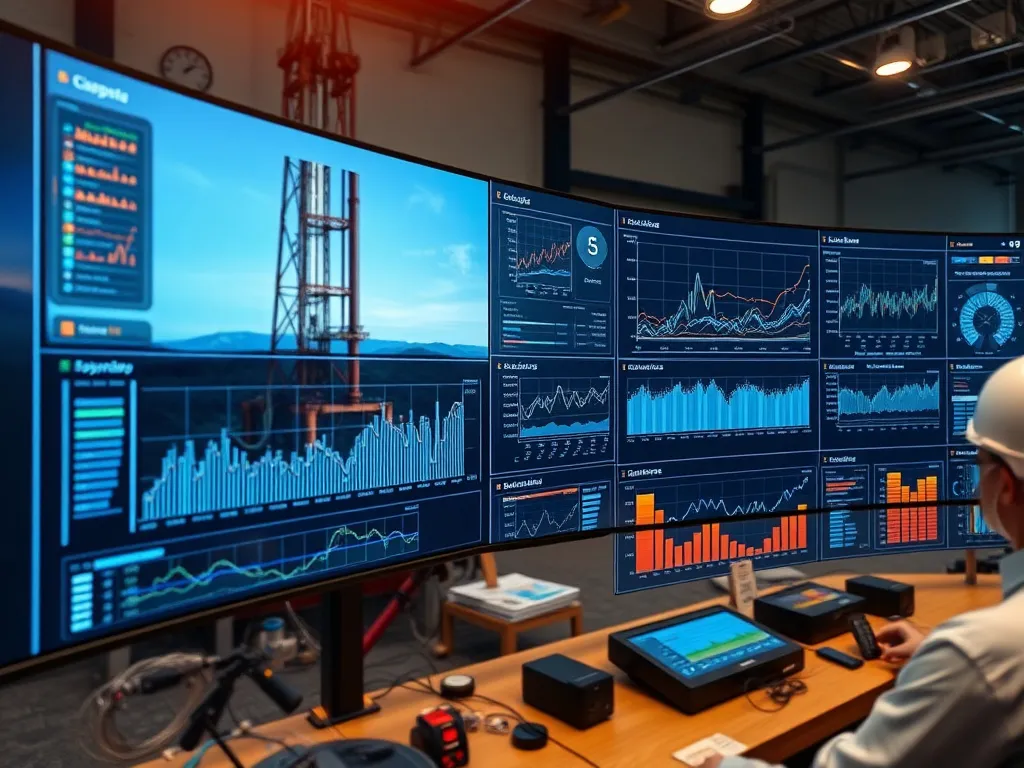
Artificial Intelligence is already reshaping drilling through data analysis, predictive maintenance, and automation. In real time it tracks equipment health, flags impending faults, and recommends performance tweaks. Machine learning improves data collection from rigs and groundwater sensors and converts patterns in historical runs into decisions. Typical workflows include lithology classification from rate‑of‑penetration and torque, regression to forecast drill time and fuel use, and clustering to uncover site‑specific operating modes. Edge computing processes high‑frequency signals from MWD/LWD, vibration, temperature, and mud logging without waiting for backhaul. Computer vision monitors fluid levels, rig‑floor activity, and PPE compliance, while language models standardize daily drilling reports. A connected digital thread links planning, live telemetry, and post‑job analysis so every new well benefits from the last.
Examples of AI Use in Global Drilling Operations
A clear example comes from leading companies in the oil and gas field, like SLB. Their use of digital simulation platforms combined with AI has greatly cut the operational costs and downtime of drilling rigs. Similarly, in the farming regions of Australia, AI technologies are being used to improve groundwater management by predicting resource changes based on weather shifts, offering valuable insights for well drilling and upkeep. These examples highlight how AI boosts the key goals of water well drilling: efficient resource use and long-lasting operations. Beyond these, geothermal projects have used AI to refine drilling parameters in fractured formations, minimizing non-productive time while protecting fragile reservoirs. Public utilities in arid parts of the United States and Spain have paired satellite imagery with machine learning to anticipate seasonal aquifer drawdown and to prioritize new production wells where the risk of saline intrusion is lowest. In mining regions, AI-assisted borehole planning helps balance water supply needs with dewatering activities, reducing interference among wells. For water well contractors, these precedents demonstrate how combining remote sensing, historical logs, and live rig telemetry can yield practical guidance on where to drill, how to set casing programs, and when to switch bits—all contributing to higher success rates and lower life-cycle costs.
Forecasts on Future AI Developments in Water Well Drilling
The path of AI advancements suggests a growing role in smart water well drilling. Predictive analytics will become more precise, providing data-driven insights into underground conditions. We foresee developments in self-operating drilling rigs, capable of working under pre-set AI algorithms with little human involvement. Improved AI systems will support smarter water management plans and more eco-friendly drilling techniques through better energy use and reduced resource waste. Looking ahead, digital twins—virtual models of wells, rigs, and even aquifers—will enable scenario testing before any steel is moved to site. Generative AI copilots could summarize subsurface data, recommend drill plans, and answer “what-if” questions in Arabic and English, helping engineers and site managers make shared decisions faster. Robotics will likely assume more repetitive or hazardous tasks, from automated pipe handling to routine inspection, with AI ensuring safe coordination between humans and machines. As standards for data exchange mature, interoperability among rigs, pumps, sensors, and planning software will reduce vendor lock-in and enable fleet-wide optimization. Over time, autonomy levels may increase from advisory (suggestions) to supervisory (human-on-the-loop) and, in controlled contexts, to partial autonomy—always backed by robust safeguards and clear human override.
Current Issues in Water Well Drilling Operations
Despite tech progress, the water well drilling field still faces issues such as equipment downtime, risk of resource exhaustion, and the need for skilled workers. Environmental rules increasingly require sustainable operations, pushing companies to find ways to lessen ecological impacts while keeping operational efficiency. The demand for water is climbing alongside these issues, especially in dry regions like Saudi Arabia, where water is as precious as oil. On the ground, crews contend with heat stress, variable formation stability, lost circulation, and unexpected hard streaks that damage bits and balloon costs. Many operators rely on manual logs and spreadsheets, making it hard to compare performance across sites or detect subtle patterns leading to failures. Supply chains can be stretched, with critical spares arriving late and creating extended downtime. Connectivity at remote locations is inconsistent, limiting access to cloud tools when they are needed most. Additionally, data is often fragmented across service providers, equipment vendors, and internal teams, complicating compliance reporting and long-term aquifer stewardship. Recruiting and retaining experienced drillers remains a challenge, increasing the pressure to capture institutional knowledge before it leaves the organization.
How AI Can Solve Specific Inefficiencies and Enhance Safety
By integrating AI, these issues can be overcome through automatic drill adjustments and process improvements that respond flexibly to underground conditions. AI-driven models allow for a proactive approach to equipment maintenance by predicting potential failure spots through pattern recognition. Safety, another vital aspect, is strengthened by AI’s ability to foresee hazards and monitor the operational health of equipment, reducing human exposure to possibly dangerous situations. Concretely, predictive maintenance models trained on vibration, temperature, and hydraulic pressure data estimate remaining useful life for top drives, mud pumps, and compressors, prompting timely service before breakdowns. Reinforcement learning can suggest setpoints for weight-on-bit and rotary speed to balance rate of penetration with tool life, while anomaly detection alerts crews to stick-slip or whirl before damage occurs. Computer vision can create virtual exclusion zones on the rig floor, detecting unsafe proximity between people and moving equipment and issuing instant alarms. On the logistics side, optimization tools plan crew rotations, water hauling, and spare-part deliveries to reduce idle time. Digital work permits and AI-powered checklists improve procedural compliance, and fatigue-detection systems, used respectfully and with clear policies, help supervisors intervene early. Together, these capabilities convert scattered data into clear operational actions that make every shift safer and more productive.
Possible Environmental Advantages of Integrating AI in Drilling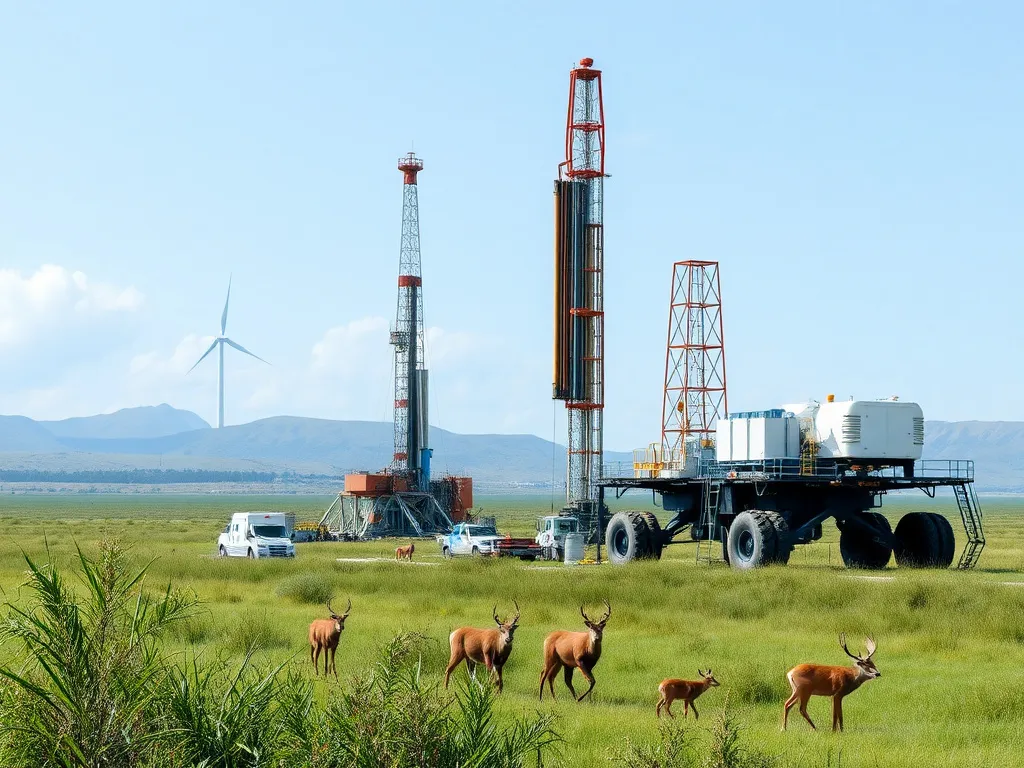
The environmental benefits of adopting AI in water well drilling are significant. AI can optimize the use of drilling fluids, cutting down chemical waste. AI models can predict the impact of drilling on nearby ecosystems, allowing for early actions to lessen environmental harm. Furthermore, by streamlining operations, AI reduces energy use and lowers the carbon footprint of drilling activities. Advanced siting tools can evaluate the risk of over-pumping, land subsidence, or saline water encroachment before a well is approved, preserving aquifer health. During construction, AI can recommend casing and cement designs that maintain water quality while minimizing materials and truck traffic. Post-completion, continuous monitoring paired with predictive analytics can detect early signs of deterioration—such as sand production or bacterial growth—so that interventions are targeted and less invasive. Energy optimization across generators, hybrid power systems, and idle-time reduction directly cuts fuel consumption and emissions. Automated compliance reporting simplifies audits and helps demonstrate adherence to environmental regulations and company sustainability targets. In sensitive habitats, AI-guided site planning can reduce noise, dust, and lighting impacts, while scheduling avoids critical wildlife periods—practical steps that uphold a social license to operate.
Conclusion
As AI technologies evolve, their integration into water well drilling is not just helpful but necessary. For Hajjan Drilling Company, using AI can result in more effective operations, align with global sustainability goals, and secure a competitive advantage in the market. These benefits, along with AI’s potential to address current challenges, make it a foundational element for the future of drilling. By adopting AI, the industry not only keeps up with modern technological standards but also leads the way in protecting natural resources for future generations. A practical path forward begins with targeted pilots: predictive maintenance on a subset of rigs, AI-assisted well siting in a challenging basin, and computer vision for safety on high-activity sites. Clear KPIs—reduced non-productive time, lower fuel burn, improved first-time-right rate—turn experimentation into measurable value. In parallel, investing in data governance, cybersecurity, and workforce upskilling ensures that models are trustworthy and that teams understand how to use them. Strategic partnerships with universities and technology firms can speed innovation while tailoring solutions to Saudi conditions. With disciplined execution and a people-first approach, Hajjan Drilling Company can build an AI-enabled operation that is safer, leaner, and more sustainable—setting a standard for the region and the industry as a whole.