
Progress in AI-Powered Water Well Monitoring: Boosting Efficiency and Dependability
In today’s digital age, combining Artificial Intelligence (AI) with traditional water well monitoring is transforming the field. With these tools, companies can improve efficiency, safety, and dependability across well operations. This article explores how AI enhances efficiency, the top technologies and innovations in use, and real-world examples that show AI in action in water well projects. Momentum is driven by mounting water scarcity, aging infrastructure, and the challenge of wells spread across vast, remote areas—where delays in detecting faults can lead to pump failures, energy waste, or aquifer stress. AI turns continuous data into timely, actionable guidance, integrates with SCADA and GIS platforms, and supports sustainability and ESG goals. The result is a shift from reactive maintenance toward proactive, data-informed stewardship of critical water assets.
A Primer on AI in Water Well Monitoring
AI is gaining popularity in water well monitoring because it can process large data streams swiftly and accurately. Traditional systems relied on manual checks and periodic visits, which could delay problem detection. In contrast, AI provides real-time analysis, predictive maintenance, and better decision-making. It combines time-series forecasting to anticipate water levels or pump loads, anomaly detection to flag deviations from normal behavior, and optimization to balance output, energy costs, and equipment wear. Supervised models learn from labeled historical events, while unsupervised techniques detect subtle abnormalities without extensive labels. Human-in-the-loop workflows remain important: operators review AI suggestions, provide feedback, and refine thresholds so local knowledge informs the models. Success hinges on calibrated sensors, consistent sampling, careful handling of outliers and missing data, and robust cybersecurity. Many operators start with small pilots to validate benefits, then scale to entire well fields once confidence and organizational capacity grow.
Existing Technologies and Innovations
Recent progress has made AI a key part of water well monitoring. Essential technologies include: Together, these components close the gap between legacy electromechanical systems and digital intelligence. Low-power communications, ruggedized devices, and edge computing enable reliable data capture in remote deserts, mountains, or coastal zones. Meanwhile, advances in connectivity—LPWAN, cellular IoT, and satellite links—move data to analytics platforms with low latency and sustainable costs.
- Internet of Things (IoT) Sensors: These devices function as the nervous system of AI-enabled monitoring. They track water levels, pressure, temperature, and flow, sending data to central platforms for analysis. Water quality probes—conductivity, turbidity, pH, nitrate—offer a fuller picture of aquifer health and distribution performance. Vibration and acoustic sensors on pumps and motors capture mechanical signatures that reveal bearing wear, cavitation, or misalignment before failure. Power-efficient designs, often using solar panels and long-life batteries, keep sensors online for years. Connectivity options such as LoRaWAN, NB-IoT, or satellite provide coverage across diverse terrains. Edge processing filters noise, compresses data, and applies first-pass analytics to preserve battery life and bandwidth. Practical care still matters: biofouling, scaling, and sediment can distort readings, so routine cleaning and calibration keep data—and AI insights—trustworthy.
- Machine Learning Algorithms: Machine learning uses data patterns to enable predictive maintenance
 and optimal resource allocation, reducing downtime and cost. Time-series models forecast drawdown, recharge rates, and pump loads; anomaly detection flags unexpected pressure drops or rising energy-per-cubic-meter ratios that hint at leaks or declining pump efficiency. Techniques range from interpretable baselines to gradient-boosted trees and recurrent neural networks. Physics-informed models and digital twins blend hydrological understanding with data-driven learning, improving accuracy where data is sparse. Models require lifecycle management—retraining as seasons change, aquifers evolve, or equipment is upgraded—to prevent concept drift. Clear, explainable outputs build operator trust; highlighting which sensor channels drove an alert speeds diagnosis. Thoughtful alert thresholds balance false positives and missed events, and A/B testing validates improvements.
 - Cloud Computing: Cloud platforms provide scalable infrastructure to handle large datasets
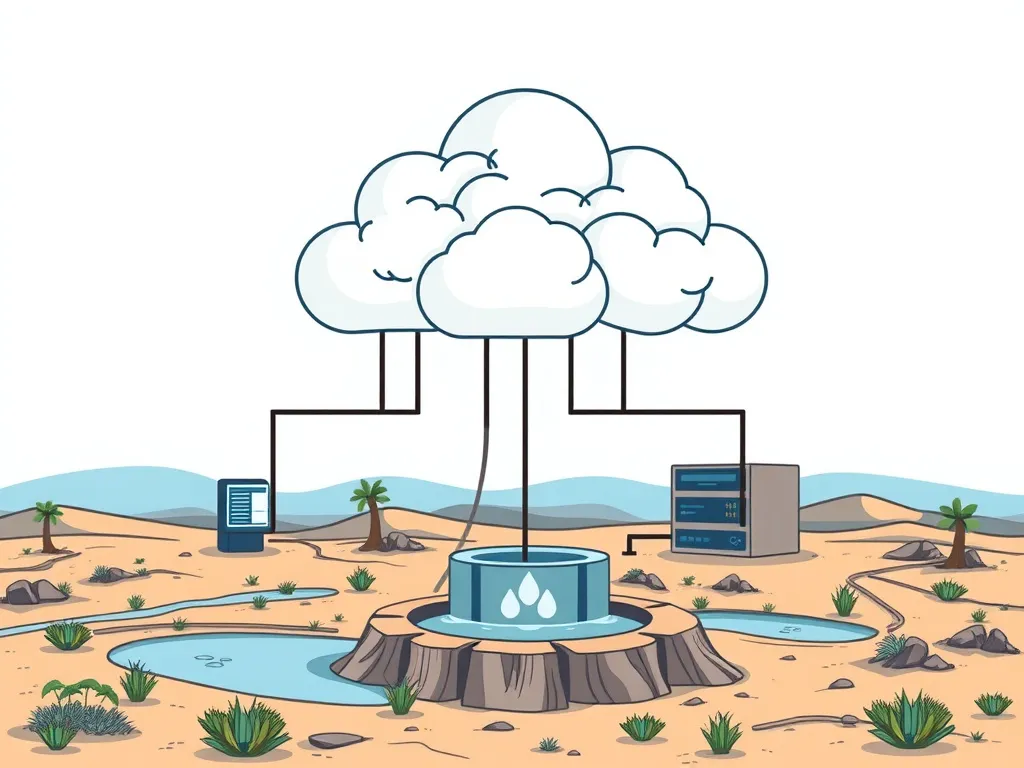 and convert remote telemetry into practical insights. Stream processing ingests data in real time, while data lakes preserve years of history for training and benchmarking. Serverless and containerized workloads simplify deployment and updates without disrupting field operations. Secure APIs and industrial protocols like MQTT and OPC UA integrate with SCADA and asset management systems. A hybrid edge–cloud approach is common: fast, local decisions run at the well site, while deeper analyses occur in the cloud. Strong security—end-to-end encryption, role-based access, audit logs, and geo-redundant backups—protects critical infrastructure data and supports compliance and recovery.
Advantages of AI for Predictive Maintenance and Operational Efficiency
AI-powered predictive maintenance is becoming crucial for water well operations.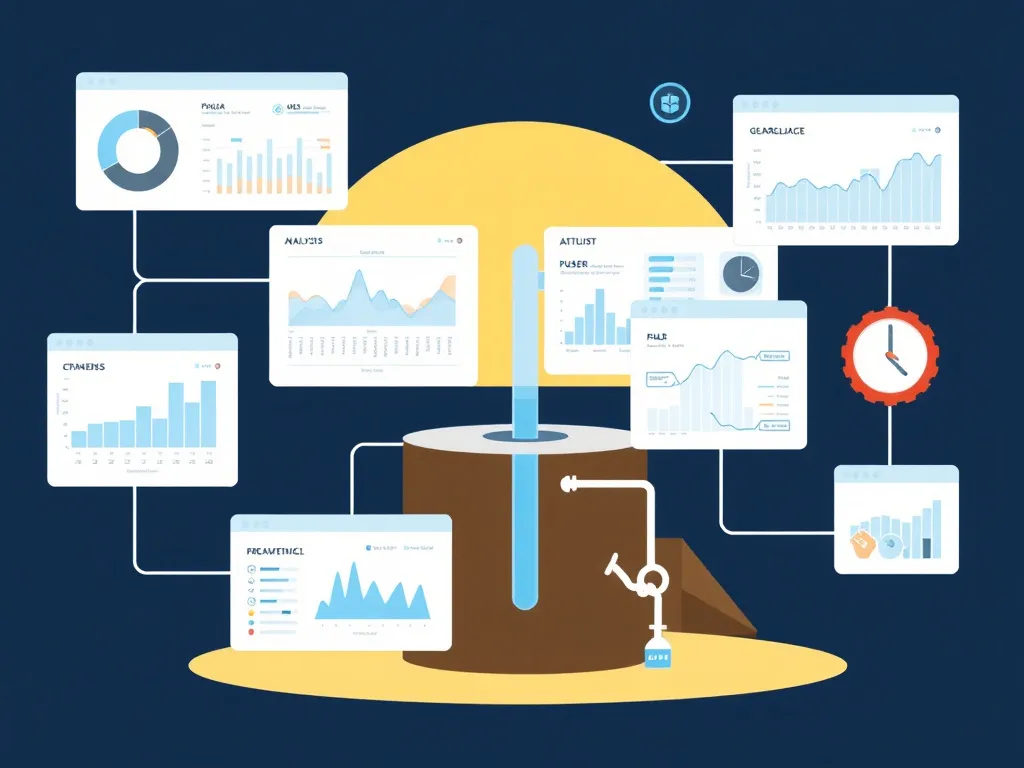 By identifying issues early, it helps avoid expensive repairs, cuts operational costs, and prolongs equipment life. Changes in vibration spectra or pump curve deviations can signal bearing wear weeks in advance, allowing scheduled replacement during planned downtime. Tracking energy used per unit of water pumped exposes inefficiencies from impeller fouling or partial blockages, prompting simple interventions that restore performance. Over time, AI insights inform smarter spare-parts stocking and procurement lead times, ensuring critical components are on hand and avoiding emergency logistics.
Automating routine inspections allows staff to tackle complex problems. Intelligent analysis also improves energy management by optimizing pump schedules to lower consumption and reduce environmental impact. AI coordinates variable frequency drives to match demand, shifts pumping to off-peak tariffs, and supports demand-response without compromising availability. Where renewables are available, algorithms align pumping with solar or wind output to cut grid dependence and costs. At the aquifer level, optimization respects drawdown limits and recovery periods, balancing production with long-term resource health. Safety improves as remote diagnostics reduce travel to hazardous sites, while automated alerts and playbooks standardize responses to faults or flooding. Mature programs track clear KPIs—unplanned downtime, mean time to repair, energy intensity, and nonrevenue water—to quantify gains and guide continuous improvement.
Case Studies and Real-World Applications
Globally, several pioneering projects show AI effectively integrated into water well monitoring. These examples span climates and use cases—from municipal supply to agriculture and industry—and follow a common path: start with a targeted problem, quantify savings, then scale. Blending domain knowledge with data science is key, ensuring models reflect realities like seasonal recharge, soil conditions, and equipment constraints.
- Saudi Aramco’s AI-Driven Wells: Saudi Aramco deployed AI-based monitoring across its water wells
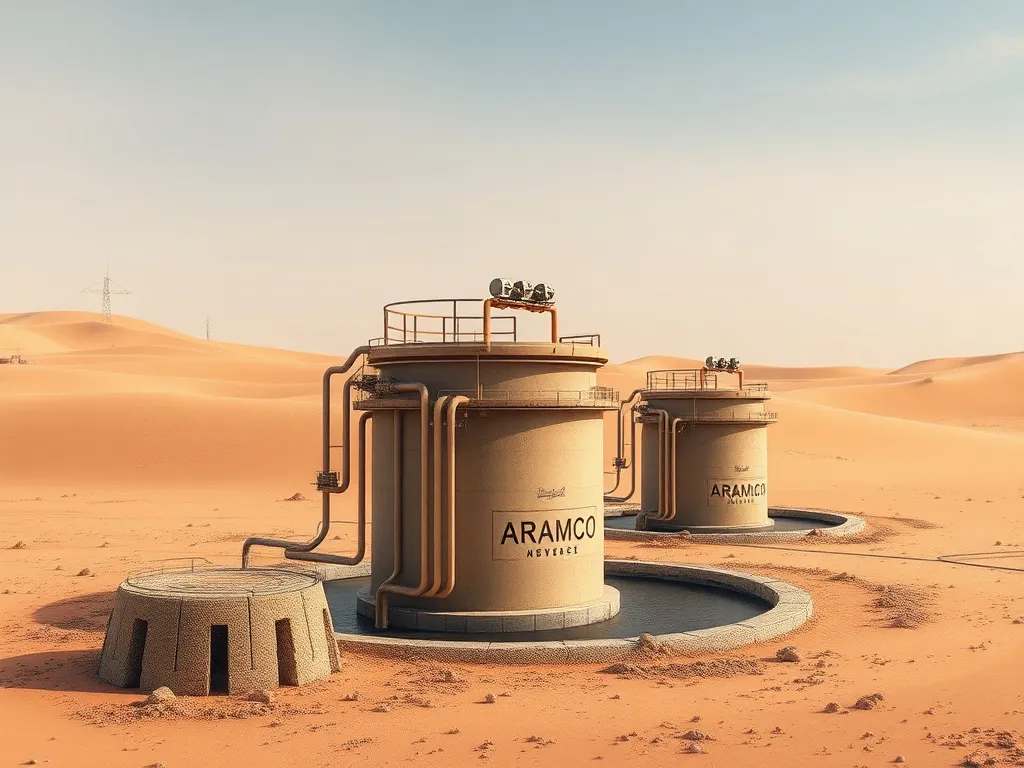 , improving groundwater management and cutting unexpected downtime. In harsh desert environments, robust sensors and fiber-optic monitoring track temperature, pressure, and flow anomalies, while machine learning flags early signs of sand ingress or pump stress. Coordinated maintenance and optimized pumping against demand have extended equipment lifespans and sped response times, demonstrating scalable AI across large, distributed well fields.
 - Dubai’s Smart Irrigation Systems: Dubai Municipality piloted AI and IoT to optimize city irrigation.
 By analyzing weather and soil moisture, AI adjusts water delivery in real time, saving substantial volumes. Forecasted evapotranspiration and satellite imagery of vegetation health let the system prioritize zones dynamically, reducing overwatering while maintaining green spaces. The platform also balances treated wastewater supplies with park-level demand and provides dashboards that help planners verify savings and refine seasonal strategies.
 - Texas Water Development Board’s Renewable Energy Integration: In Texas, AI aligns pumping with daytime solar peaks and nighttime wind production
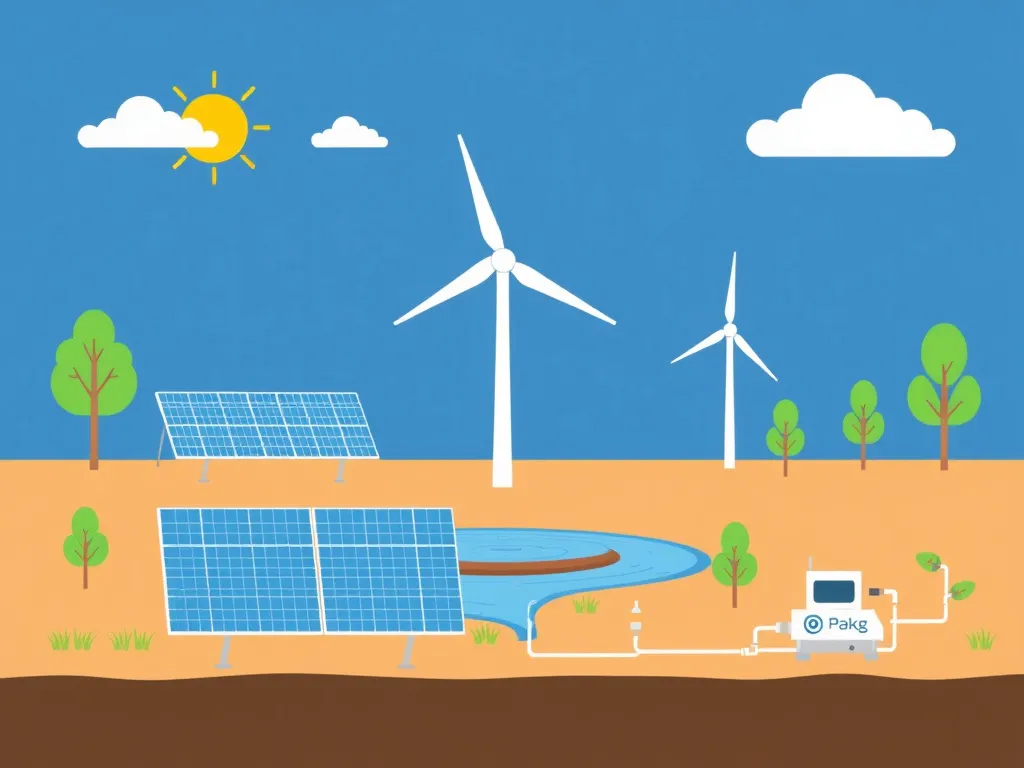 so wells run when clean energy is abundant and prices are lower. Algorithms respect aquifer drawdown constraints and pipeline hydraulics, and when storage is available—tanks or batteries—the system selects the most cost-effective buffering strategy. During drought, predictive models support allocation planning across multiple wells, boosting resilience for rural utilities and agricultural users.
Conclusion: A Future of Smart Water Well Management
Embracing AI for water well monitoring is a crucial step toward smarter, more sustainable water management. As AI technologies develop, they will reshape how we manage water resources. For countries like Saudi Arabia that depend heavily on water wells, these tools promise greater efficiency, dependability, and sustainability. A pragmatic roadmap includes assessing data readiness, defining outcomes and KPIs, running a focused pilot, then scaling with strong governance, cybersecurity, and training. Interoperability is essential—open standards reduce vendor lock-in and simplify integration with legacy equipment—while data quality and calibration keep models accurate. With these foundations, organizations can move beyond reactive maintenance toward optimized, resilient systems that adapt to climate variability and growing demand.
By embracing these advancements, companies like Hajjan Drilling are well-positioned to deliver outstanding water well services. As the industry innovates, AI will become more prominent, ushering in a new era of smart water well management. Expertise in site assessment, borehole logging, and pump testing can pair with modern telemetry, sensor integration, and analytics to give clients a unified, real-time view of assets. Clear service-level agreements, remote monitoring centers, and operator training convert insights into day-to-day reliability and measurable savings. Through partnerships with technology providers and a commitment to local conditions and regulatory requirements, sector leaders can accelerate safe, sustainable, and efficient groundwater use for decades to come.