
Pump Installation and Retrieval: Ensuring Top Performance for Water Wells
Installing and retrieving pumps keeps water wells running reliably. At Hajjan Drilling Company, a leader in Saudi Arabia’s water well sector, we bring 45+ years of experience to these complex tasks. Our multidisciplinary teams—hydrogeologists, mechanical and electrical engineers, and HSE specialists—apply rigorous QA/QC, permit-to-work systems, and documented procedures. Working to international standards and local regulations, we deliver safe, compliant installations and retrievals with traceable records and measurable performance gains.
Water wells serve industrial and municipal users, and their success depends on well-chosen, well-installed pumps. Proper installation—and timely retrieval for upkeep or replacement—reduces downtime, energy use, and equipment wear. In high-demand settings, even brief outages are costly. Thoughtful planning mitigates cavitation, vibration, excessive drawdown, and premature motor failure.
This article outlines the steps, best practices, and factors that drive top performance, drawing on extensive fieldwork across industrial and governmental projects. The guidance supports consistent decisions, smoother audits, and improved lifecycle economics aligned with ISO 9001 and ISO 14001.
We present practical methods suited to arid climates, variable groundwater chemistry, and remote logistics—field-tested approaches that keep pumps reliable, efficient, and safe throughout their life.
Understanding the Importance of Pump Installation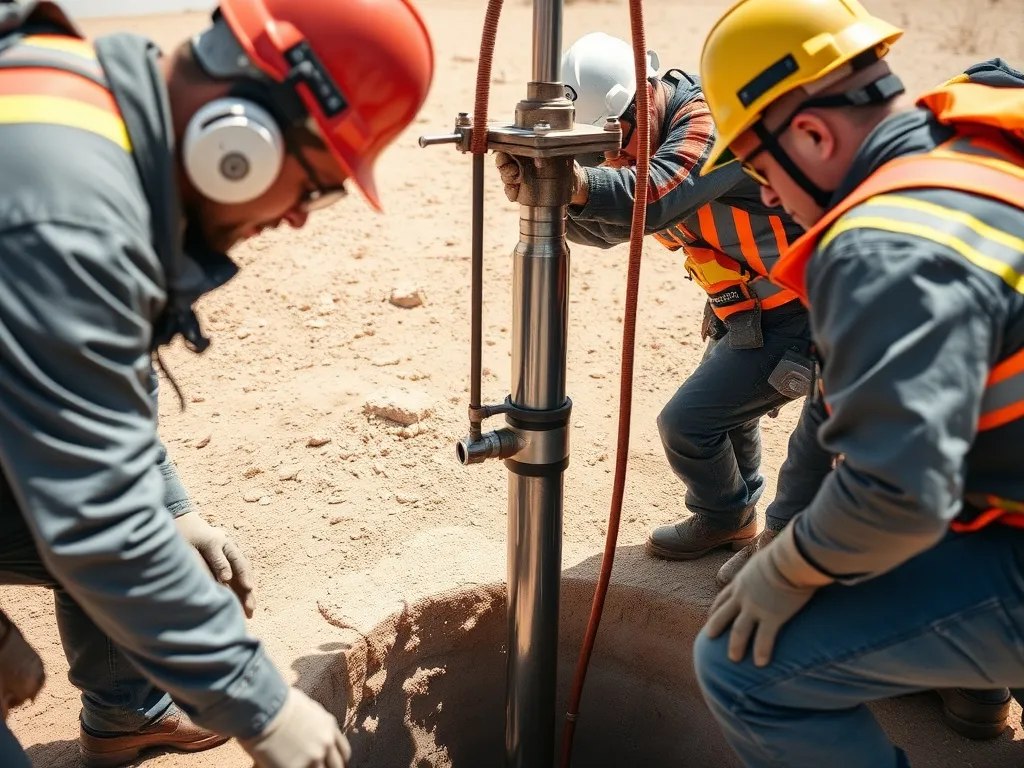
Installation quality sets the ceiling for efficiency and reliability. The pump’s design, capacity, and type must match well characteristics and duty. Choosing between submersible units and vertical line-shaft turbines depends on depth, power, and water quality, while matching the pump curve to the duty point keeps operation within the best efficiency range.
Precision during installation matters. Correct setting depth protects the motor, reduces sand intake, and maintains submergence above expected drawdown. Considering screen interval and entrance velocity minimizes abrasive wear. Accounting for scaling or corrosive water guides materials and treatments that prevent early failures.
Compliance with Saudi regulations supports sustainability and responsible resource management. Meeting permitting requirements, abstraction limits, and discharge guidelines—and documenting each step—simplifies reporting and aligns with national water strategies.
The Installation Process: A Step-by-Step Guide
The installation process typically follows these steps. Consistent application establishes a reliable baseline and simplifies maintenance, troubleshooting, and audits across multiple wells.
- Site Assessment: Evaluate geology and site conditions using well logs, camera inspections, and step-drawdown testing to set depth and anticipate drawdown. Confirm access, lifting clearances, and power availability. Assess water chemistry to inform materials and protection.
- Equipment Selection: Select the pump and auxiliaries for the required flow and head. Match the pump curve to the duty point, use high-efficiency motors, and specify corrosion-resistant materials (e.g., 316 stainless or duplex alloys). Consider controls, variable frequency drives, and surge protection to optimize energy and starts.
- System Design: Size risers and discharge piping to reduce friction losses. Integrate non-return valves and air-release devices as needed. Plan cable management and earthing to protect people and equipment. Provide clear isolation points and instrumentation for commissioning and diagnostics.
- Installation: Install with best practices to prevent damage and ensure safety. Maintain alignment, use torque arrestors and centralizers, protect and test electrical splices, and disinfect the well and components. Record serial numbers, settings, and test results in as-built documentation.
- Testing and Commissioning: Conduct start-up checks, measure flow, discharge pressure, and electrical load, and verify protective setpoints and alarms. Capture baseline vibration and noise and confirm telemetry or SCADA interfaces.
Following these steps significantly improves reliability. Thorough documentation also speeds troubleshooting and supports predictive maintenance, lowering total cost of ownership.
Challenges in Pump Retrieval and How to Overcome Them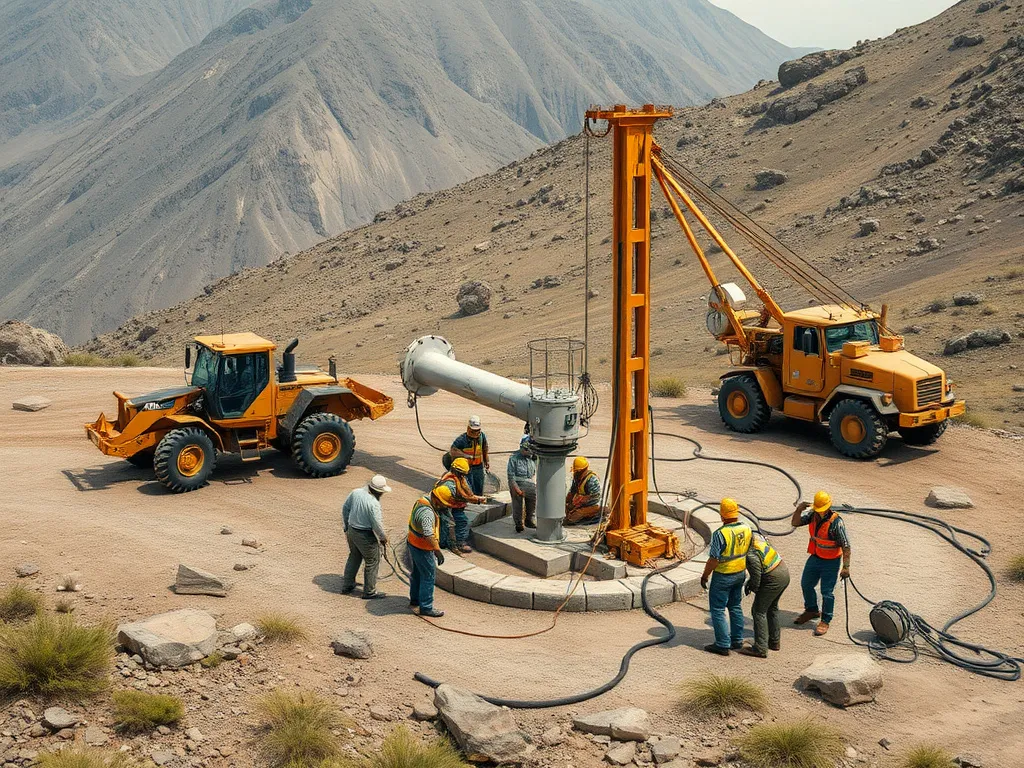
Retrieval for maintenance or replacement is as critical as installation. Long-running systems can be difficult to pull without preparation. Establish a retrieval plan from day one—capture setting depth, column weight, and lifting gear needs—to enable safe, rapid interventions. Track specific capacity, energy use, and vibration so retrieval can be planned rather than reactive.
Handling Corrosion and Wear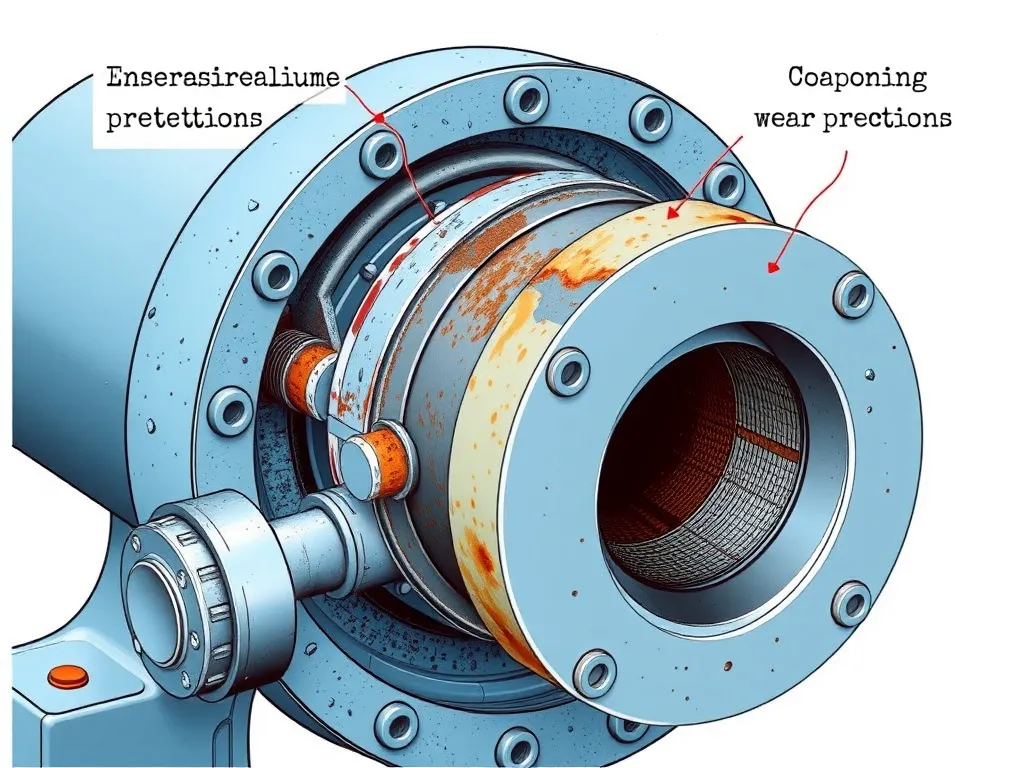
Continuous water exposure accelerates corrosion and wear, complicating retrieval. Select non-corrosive materials and coatings at installation, and in brackish or aggressive conditions consider cathodic protection or sacrificial anodes. Specify compatible fasteners and couplings, and regularly inspect riser joints and cable armor to avoid seized connections.
“Material integrity from the start reduces retrieval risks. The right alloy and disciplined torque and lubrication practices pay dividends when it’s time to pull.”
Dealing with Sediment Build-up
Sediment can obstruct removal. Prevent buildup with routine maintenance and cleaning tools designed for well work. Brushing, airlifting, and high-velocity jetting—combined with periodic disinfection and redevelopment—help preserve screen performance and limit abrasive wear on impellers and bearings.
Managing Equipment & Rig Move
Moving heavy equipment demands planning. Use detailed lift plans, proper rigging, and coordinated schedules with owners and authorities. When needed, engage specialized rig movers. Keep contingency fishing tools and stuck-string procedures on hand to complete difficult pulls without compromising the well.
Best Practices for Maintenance and Efficiency
Maintenance underpins longevity and efficiency. A blended preventive and condition-based program with clear KPIs stabilizes performance and extends mean time between failures.
- Regular Inspection: Use standardized checklists to find and fix issues early. Verify motor insulation resistance, check cable terminations, and inspect wellheads and valves for leaks or corrosion.
- Performance Monitoring: Use digital systems to track real-time metrics and trigger alerts. Monitor flow, discharge pressure, power draw, and specific energy (kWh per m³) to catch efficiency drift.
- Scheduled Servicing: Perform periodic overhauls to maintain peak output. Replace bearings and seals per vendor guidance, recalibrate instruments, and clean or redevelop wells when tests indicate fouling.
- Staff Training: Provide ongoing training on methods and tools. Emphasize lockout/tagout, confined space awareness, safe lifting, and maintain competency records to meet regulatory and client expectations.
Case Study: Successful Pump Maintenance in Saudi Aramco Wells
For Saudi Aramco, we implemented strategic installation and retrieval programs tailored to regional conditions and regulations. The guidelines standardize equipment by aquifer and chemistry, define acceptance testing, and set retrieval thresholds based on energy intensity and productivity trends, enabling proactive, data-led interventions.
Adopting advanced anti-corrosion materials extended pump life, reduced downtime, and cut maintenance costs by about 35%. Complementary upgrades—variable frequency drives, optimized ramp profiles, and telemetry-based alarms—stabilized operations, while post-retrieval failure analysis refined future designs and stocking strategies.
Conclusion: The Road Ahead for Pump Systems
Effective installation and retrieval demand technical rigor, environmental awareness, and continuous improvement. Hajjan Drilling Company’s experience enables solutions that boost performance and support sustainability. Our focus on accurate data capture, transparent reporting, and iterative learning strengthens long-term wellfield reliability.
As demand for dependable water grows, aligning pump management with evolving industry practices is essential. Commitment to best practices—plus strategic planning for redundancy, spare parts, and rapid mobilization—builds resilience in critical municipal and industrial applications.
Advancing technologies and materials will unlock further efficiency and reliability. Investments in high-efficiency motors, improved alloys, smarter controls, and cloud analytics will reduce energy intensity and downtime, reinforcing the value of disciplined installation and retrieval.