
The Complete Water Well Drilling Process
Water is life’s essential resource, and accessing it sustainably demands precision, safety, and specialized expertise. Since 1977, Hajjan Drilling Company has led water well services in the Kingdom of Saudi Arabia. With more than 1,100 wells delivered for municipal, agricultural, industrial, and remote operations, our experience spans diverse terrains and hydrogeological settings.
This article summarizes the end-to-end water well drilling process—from early evaluations and design through drilling, development, testing, and maintenance—highlighting the technical, environmental, and safety practices that drive reliable outcomes. Understanding these elements helps owners manage risk, optimize lifecycle cost, and build resilient water supplies.
The stages outlined here apply to municipalities, industry, agriculture, and energy projects alike. Aligning goals with sound hydrogeology, robust engineering, and environmental stewardship delivers sustained yield, regulatory compliance, and efficient long-term operation.
Initial Assessments: Geological and Site Evaluations
Every project begins with thorough site assessments to define target aquifers and set performance expectations.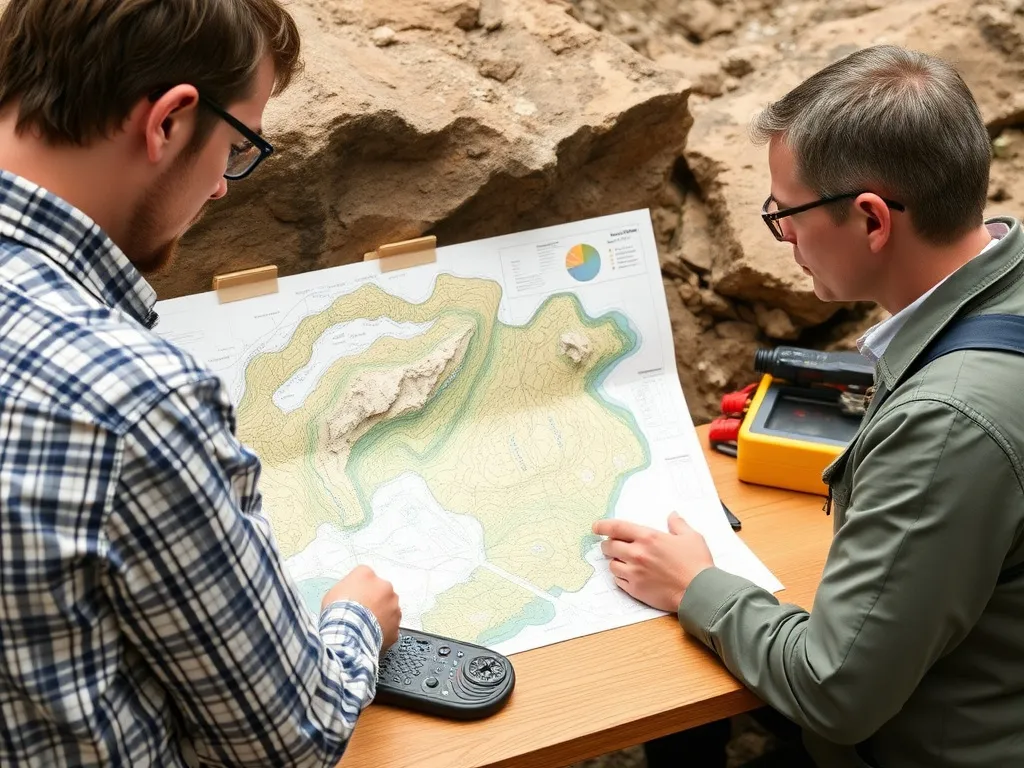 A desktop study reviews hydrogeological maps, well logs, imagery, and prior pumping tests to anticipate drilling conditions and narrow viable aquifers. Fieldwork confirms formation types and water-table depth to guide design.
Advanced tools refine subsurface understanding. Drawing on deep knowledge of Saudi aquifers, Hajjan Drilling complements reconnaissance with geophysics—such as electrical resistivity or downhole logging—to map lithology, fracture zones, and salinity. Early water quality screening (e.g., total dissolved solids and key ions) informs materials selection and completion details.
Environmental Impact Considerations
Responsible drilling integrates environmental due diligence from the outset.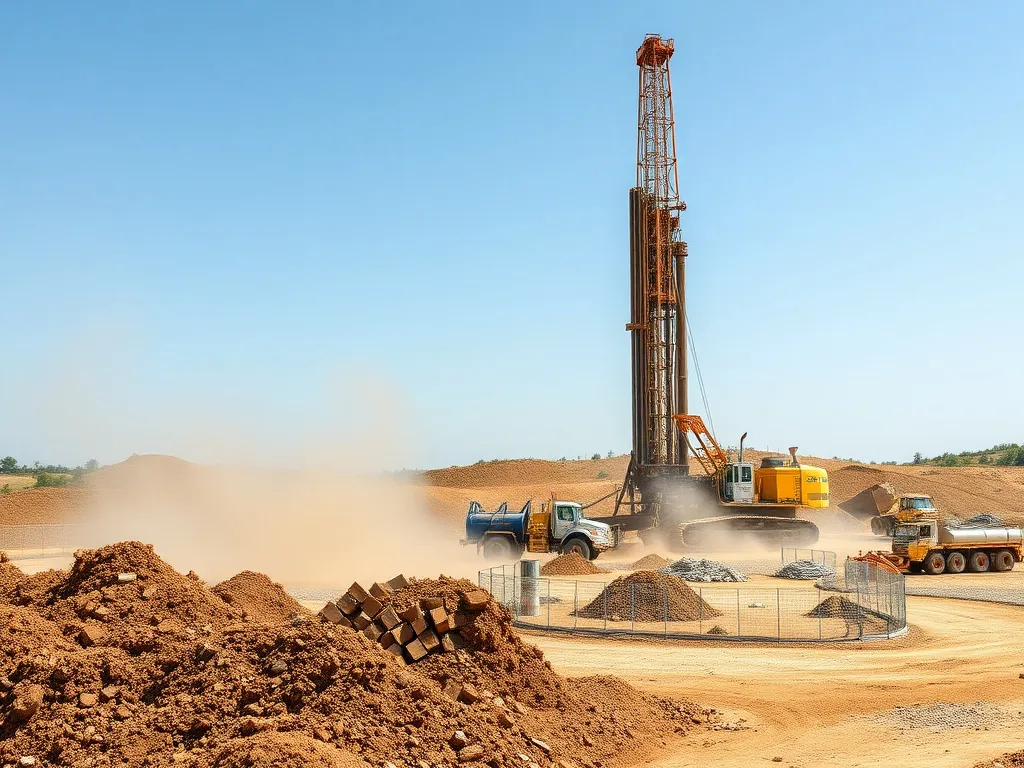 Reviews address waste management for cuttings and fluids, noise and dust control, spill prevention, and protection of nearby ecosystems and cultural sites. In Saudi Arabia, compliance with Ministry of Environment, Water and Agriculture requirements is embedded in planning and permitting. Engaging landowners and communities early helps resolve access, traffic, and safety concerns before mobilization.
Designing the Well: Technical Specifications and Planning
Design translates assessments into specifications for diameter, depth, and casing. It defines screen intervals for target layers, filter pack gradation to manage fines, sanitary seals to block surface contaminants, and wellhead protection. Deliverables—construction drawings, method statements, risk registers, and quality checkpoints—guide execution and reduce uncertainty.
Choosing Suitable Drilling Techniques
Drilling methods are matched to geology.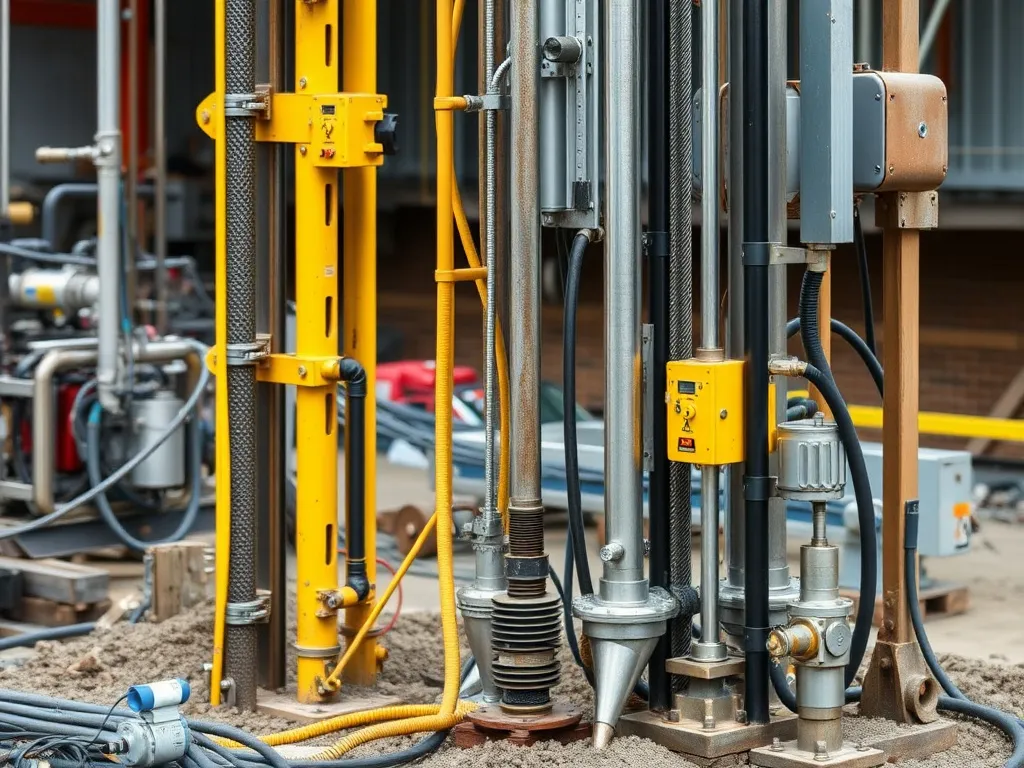 Mud rotary stabilizes unconsolidated sands and gravels, while air rotary or down-the-hole hammer excels in hard rock. Cable tool methods, though less common, offer precise control where minimal fluid use is needed. Final selection balances formation stability, depth, logistics, and water quality protection.
Materials Selection
Durable, compliant materials safeguard water quality and service life.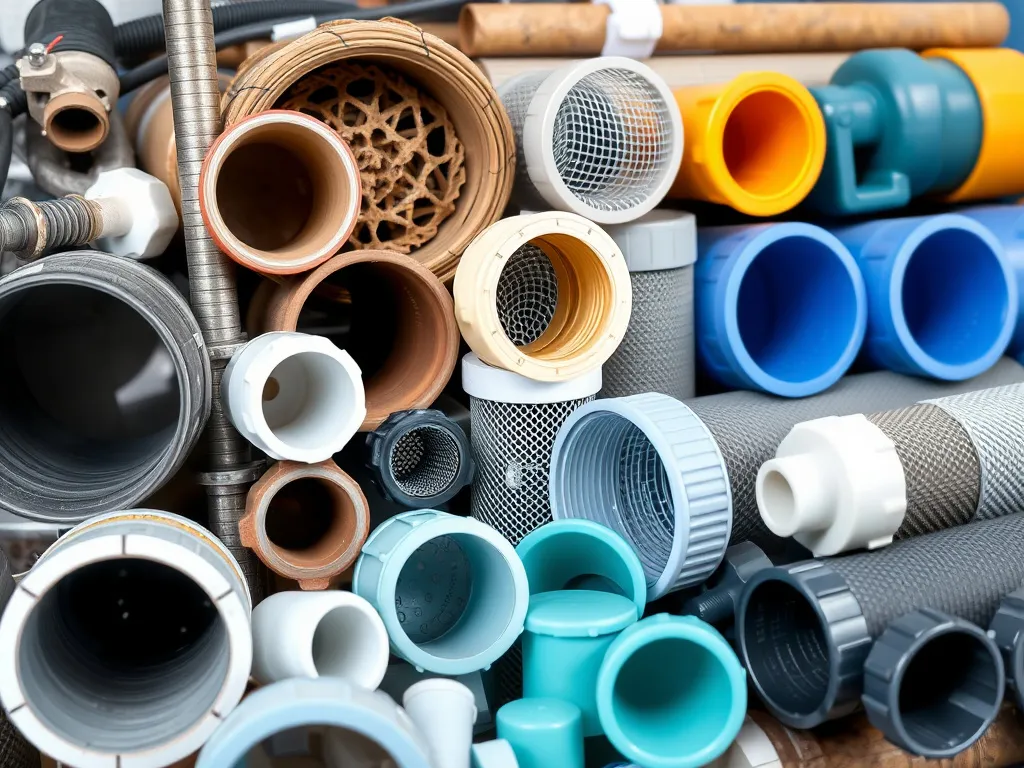 Options include carbon steel, stainless steel for corrosive conditions, and PVC for select shallow wells. Screen design (wire-wrapped or louvered with precise slot sizes) pairs with a graded gravel pack to optimize inflow and control fines. Corrosion resistance, mechanical strength, and compatibility with disinfection and rehabilitation chemicals inform the choice.
The Drilling Process: Execution and Monitoring
Drilling blends heavy equipment with real-time decision-making.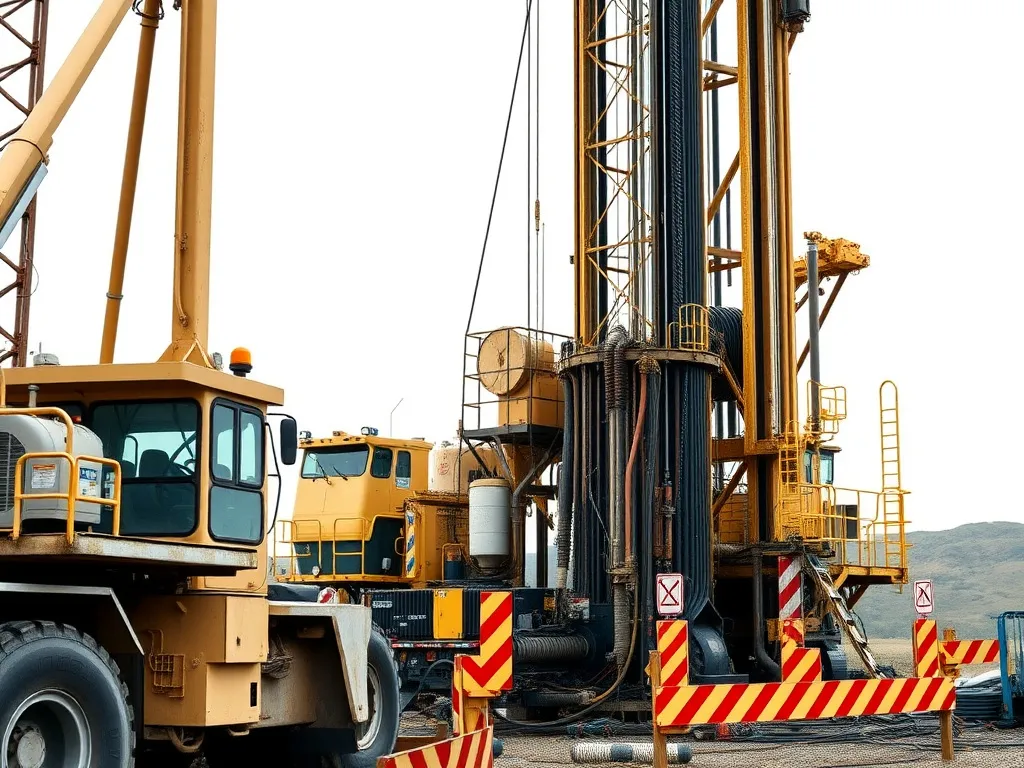 Crews track rate of penetration, torque, fluid or air parameters, cuttings, and returns to validate the plan and adapt as conditions change. Rig-up inspections, lifting plans, confined space controls, and emergency preparedness keep HSE at the forefront.
Step-by-Step Drilling Process
- Preparation : Set the rig and stage equipment; survey the pad and access; install spill containment; brief crews on safety; confirm utility clearances. Stock critical spares and align communication among the project team to reduce downtime.
- Drilling : Advance the borehole using the selected method, adjusting fluids or air to stabilize the hole and manage cuttings. Monitor lithology and penetration changes; adapt bit selection and weight-on-bit to maintain performance and hole quality.
- Logging : Record formations and run geophysical logs—such as natural gamma, resistivity, and spontaneous potential—to refine productive zones and salinity trends. Catalog samples and review findings to finalize screen placement and completion.
- Casing : Install casing and screen with centralizers for alignment. Place a sized filter pack via tremie to promote laminar inflow and minimize sand production, sealing top and bottom to confine the pack.
- Grouting : Tremie cement or bentonite-based grout to seal annuli and prevent surface contamination. Allow proper curing and verify seal integrity before development.
Operational Challenges and Solutions
Field challenges—such as deviation in fractured rock, swelling clays, sand inflow, or equipment failure—are mitigated through proactive maintenance, real-time monitoring, and adaptive drilling practices. Stabilizing fluids, specialized bits, contingency grouting, and controlled reaming preserve hole integrity. In remote deserts, robust logistics, redundant power, dependable fluid sourcing, and disciplined HSE management maintain progress despite sandstorms and extreme temperatures.
Post-Drilling Operations: Well Development and Testing
Development removes mud and fines to enhance yield and water quality. Techniques include surging, airlifting, and development pumping until turbidity meets specifications. Mechanical brushing and targeted chemistry can break down mud cake and improve connection to the aquifer without compromising integrity.
Conducting Well Tests
Testing confirms capacity, water quality, and drawdown.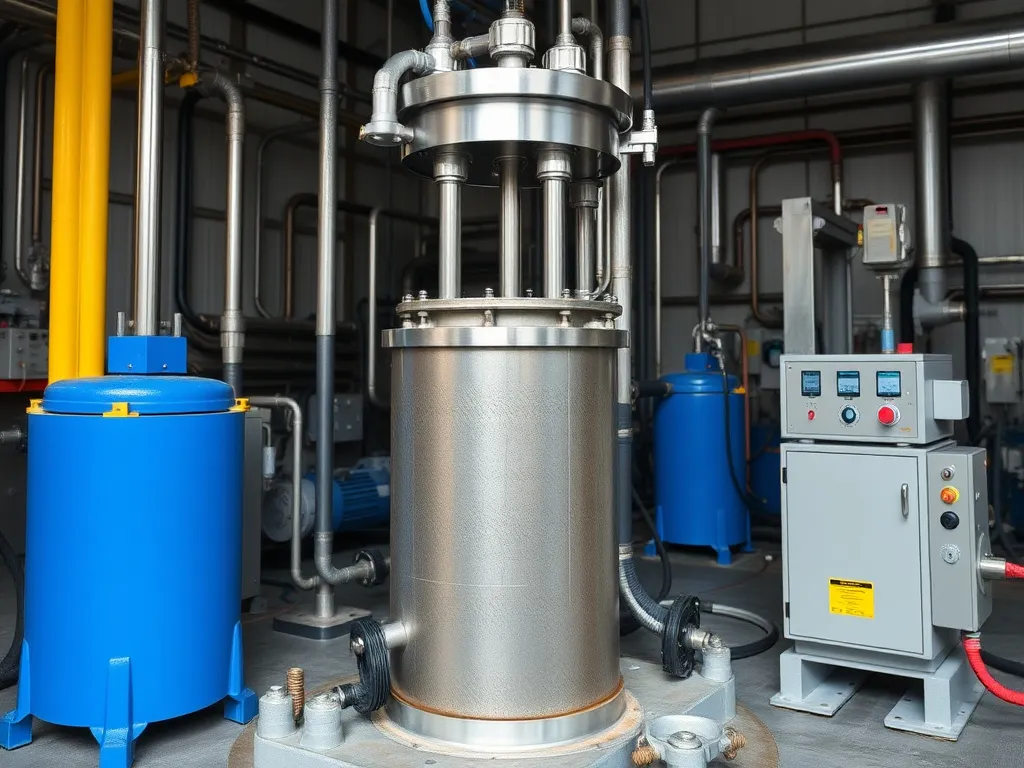 Step-drawdown and constant-rate pumping define sustainable yield and aquifer parameters such as transmissivity and storativity, with recovery monitoring to refine results. Sampling follows strict protocols for field and laboratory analyses—salinity, hardness, major ions, metals, and microbiology—providing a baseline for pump selection, control strategies, and abstraction limits.
“Reliable well performance testing is the cornerstone of effective groundwater management,” states Abdullah Hajjan, CEO of Hajjan Drilling Company. “When test data align with geological logs and sound design, owners gain confidence that each liter produced remains sustainable and cost-effective over the asset’s life.”
Ensuring Sustainability: Maintenance and Monitoring
Proactive maintenance extends well life and safeguards quality. A structured plan includes performance checks, water quality trending, downhole camera inspections as needed, and scheduled rehabilitation for biofouling, scale, or corrosion. Securing the wellhead with fencing, signage, drainage control, and sanitary integrity reduces contamination risks and supports compliance.
Innovations in Maintenance
Remote sensing and automated monitoring enable early issue detection and preventive action.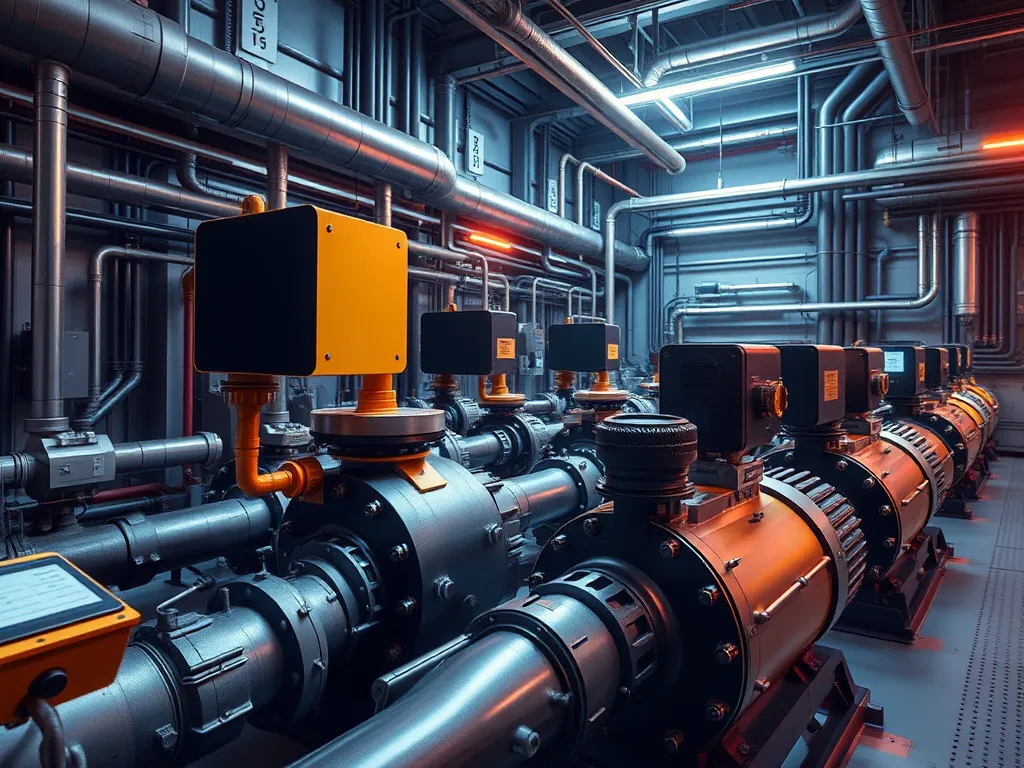 Integrating pressure, flow, and water level sensors with SCADA and variable frequency drives provides real-time visibility and energy optimization. Analytics and digital twins forecast decline and schedule rehabilitation before failures. In arid regions, efficient pumps paired with solar or hybrid power cut operating costs and emissions, while telemetry streamlines wellfield oversight.
Case Studies: Successful Drilling Projects
Case studies illustrate practices at scale. Hajjan Drilling’s collaboration with Saudi Aramco—over 500 strategic water wells—required rigorous planning, standardized procedures, and close coordination with engineering, HSE, and operations to deliver consistent quality across varied geology and schedules.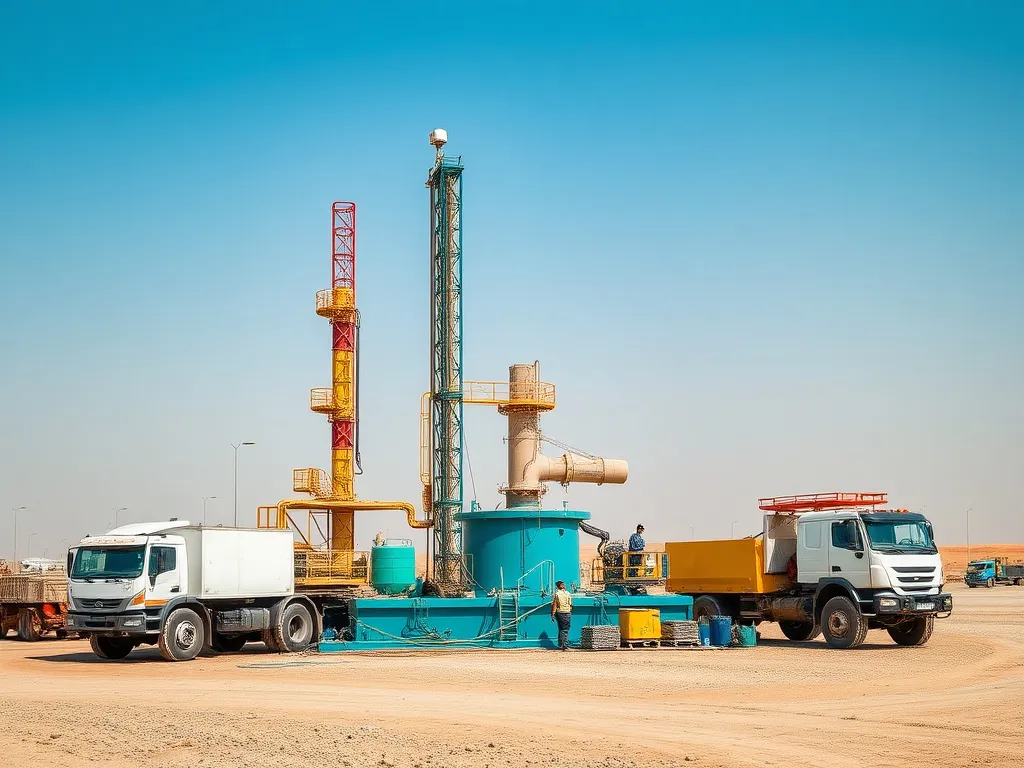
Case Study: Saudi Aramco Collaborative Project
The multi-well program spanned depths and formations, deploying air rotary and mud rotary methods, tailored filter packs, and corrosion-resistant completions where salinity warranted. Centralized logistics and predictive maintenance minimized non-productive time. Comprehensive testing and data management verified performance, while strong HSE results, local workforce development, and adherence to procurement and quality standards delivered long-term value for the client and surrounding communities.
Conclusion: Future Directions in Water Well Drilling
Water well drilling continues to evolve as new technologies address growing demand and environmental constraints. Greater use of hydrogeological modeling, managed aquifer recharge, smart monitoring, advanced materials, and low-carbon power will improve reliability while reducing operational footprints.
With companies like Hajjan Drilling advancing best practices, future projects can pair reliability with stewardship. Transparent data, collaborative planning, and capacity building will help safeguard groundwater as climate variability and population growth intensify demand.
For water and energy stakeholders, success rests on early engagement with experienced partners, rigorous site evaluations, quality design, and lifecycle maintenance—forming a blueprint for resilient, efficient, and compliant groundwater systems that stand the test of time.